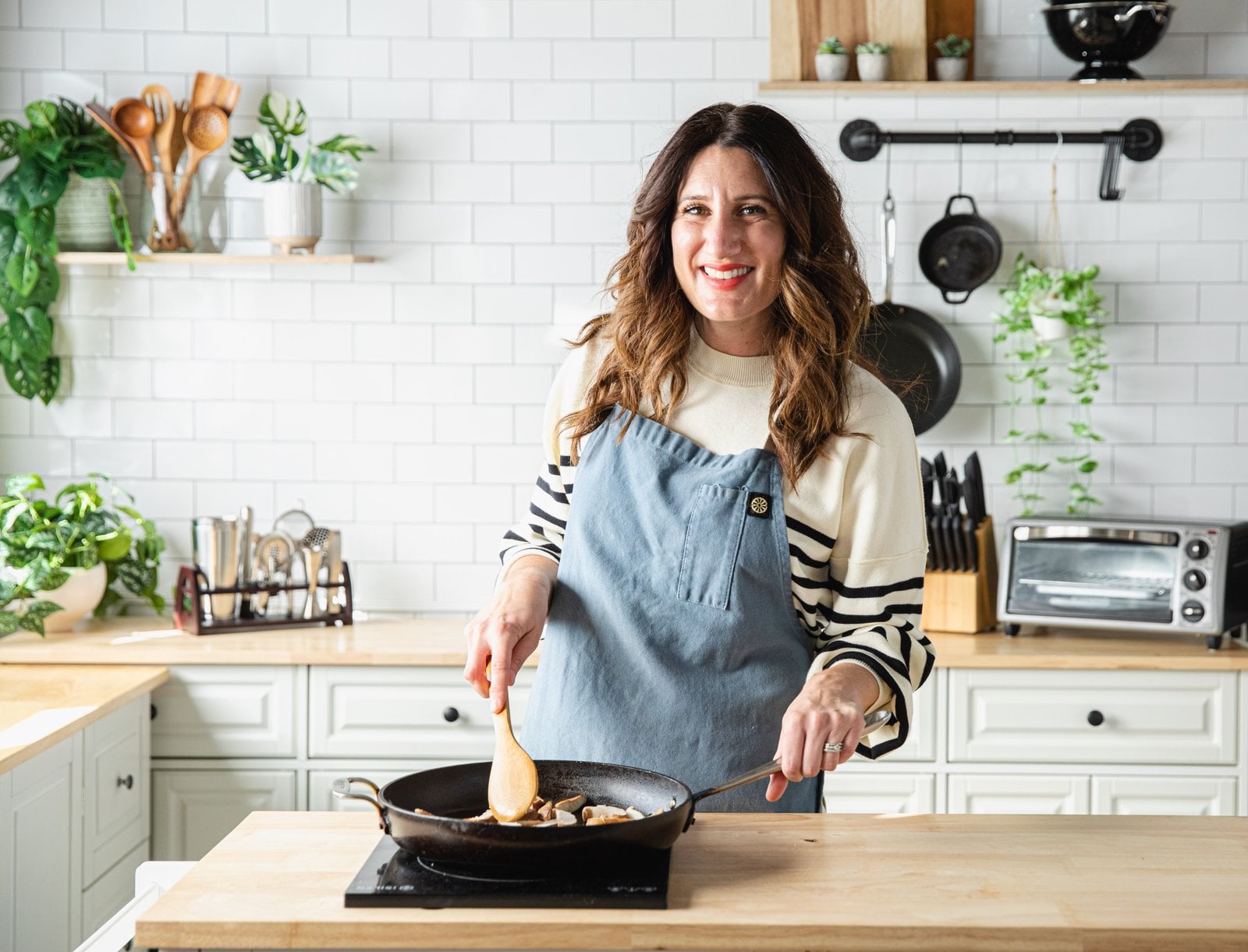
I have a cooking rotation that lets me cook for others while keeping the morning stress free. Most of my rotation is made of eggs, butter, and other things that brown on the edges, like a stack of buttermilk pancakes.
A Dutch baby that rises up the sides of the cast-iron while you’re making coffee. A frittata that stays forgiving as people stream in at different times. These aren’t showpiece mornings, but they are lovely. In fact, the delight of these get-togethers is that no one planned to remain at the table for such an extended period.
One of the many rules of thumb I’ve picked up over the years is that the temperature of the fat is more important than recipes tend to emphasize. So, it is always a good idea to preheat the pan before adding the butter. Most items served at brunch require some form of additional effort beforehand. Whether it be dough for cinnamon roll, batter for crepes and cakes. That combined savings of thirty minutes over time is a significant factor. And acids wake everything up.
Lemon over the avocado toast, a splash of white vinegar in the poaching water, lime and mint on the fruit salad.
Below are 33 brunches I rotate through.
Every individual now has a reason to choose it this evening, as well as a doneness indicator with a designated timestamp, as well as a steam if one is warranted.
Contents
- 1) Classic Pancakes
- 2) Belgian Waffles
- 3) Veggie Omelet
- 4) Lemon Pancakes
- 5) Blueberry Muffins
- 6) Banana Bread
- 7) Avocado Toast
- 8) Eggs Benedict
- 9) Salmon Bagels
- 10) Shakshuka
- 11) Veggie Frittata
- 12) Quiche Lorraine
- 13) Egg Muffins
- 14) Breakfast Burritos
- 15) Chilaquiles
- 16) Huevos Rancheros
- 17) Biscuits And Gravy
- 18) Breakfast Sandwiches
- 19) Hash Browns
- 20) Breakfast Potatoes
- 21) Cinnamon Rolls
- 22) Coffee Cake
- 23) Yogurt Parfaits
- 24) Fruit Salad
- 25) Granola
- 26) Oatmeal Bar
- 27) Breakfast Salad
- 28) Breakfast Tartines
- 29) Savory Scones
- 30) Breakfast Quesadillas
- 31) Baked Oatmeal
- 32) Crepes
- 33) Dutch Baby
1) Classic Pancakes
Classic Pancakes are an ideal choice when you want to impress everyone around the kitchen while you cook. Your guests will appreciate the smell cooking. The buttermilk added to the batter provides tang and tenderness.
You will need to separate the dry and wet ingredients into different bowls. After they have been separated, you will mix them again, but before you cook, let the batter rest for about five minutes. Start with a clean and lightly buttered griddle. Use a medium heat.
Once you pour the batter, wait until a lot of bubbles have formed and the edges look dusty. They should not be shiny. This usually takes two to three minutes on each side. The first pancake is considered a ‘trial’ pancake and is usually thrown away. This is a rite of passage for every cook in the world.
No buttermilk? Wait five minutes after adding a tablespoon of white vinegar to regular milk and use it the same way. You’ll lose a little tang, but the texture will be good.
2) Belgian Waffles
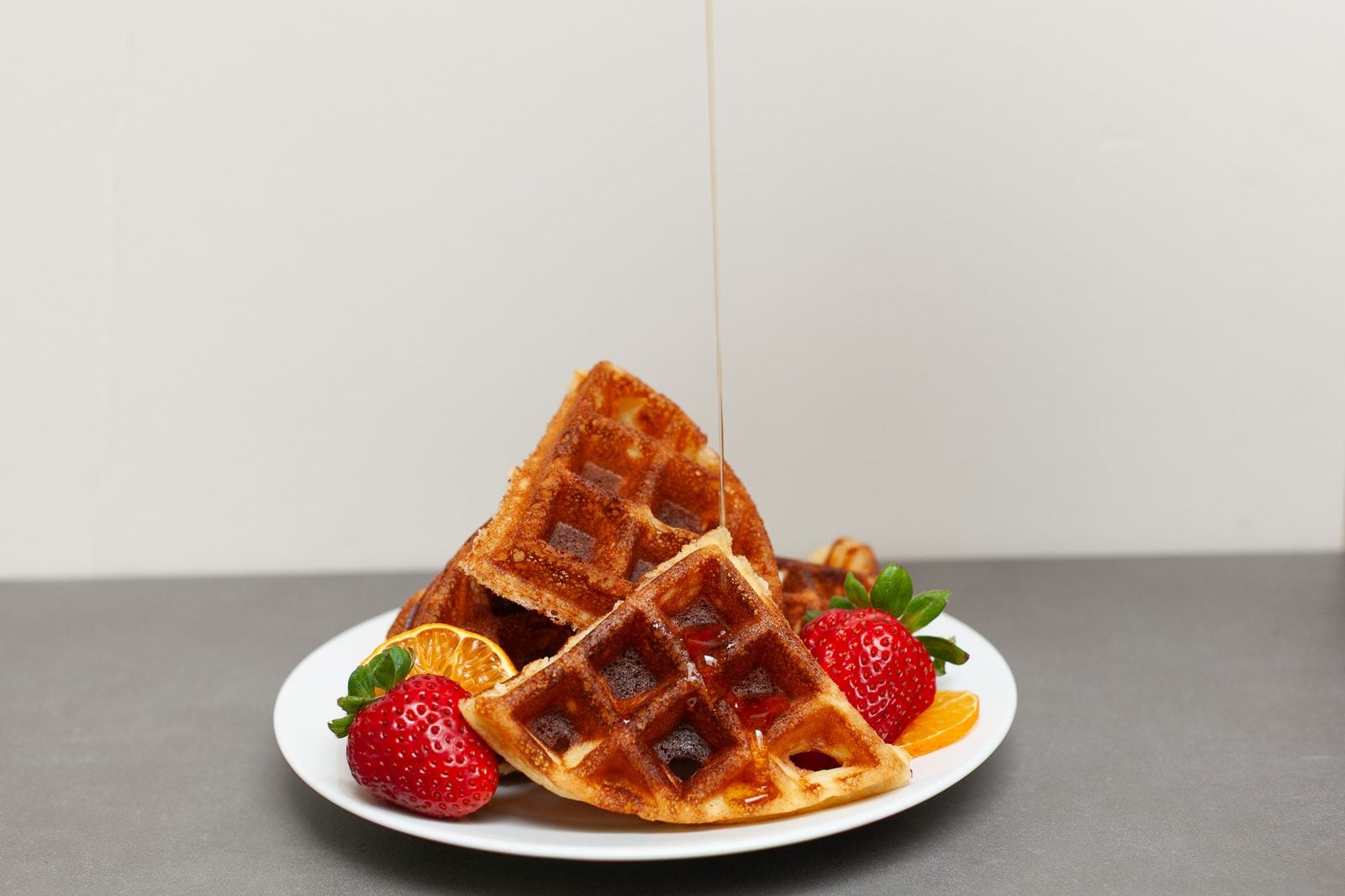
Why Belgian Waffles Work: Waffles can justify the iron you bought and never used. The batter contains whipped egg whites which are folded in at the end. One extra step is what is responsible for Belgian waffles having light insides and crisp outsides that can support the toppings.
The first thing you will want to do is to separate your eggs. Prepare a bowl for the egg whites, then start whisking them until stiff peaks are formed. Combine your melted butter, along with milk and vanilla, and mix with the egg yolks. Then, pour your dry ingredients and mix them. At this point, you will want to fold the whisked egg whites into the mixture, but be careful to do so gently to avoid deflating the egg whites.
Pour the mixture into the hot waffle iron, which you should have previously greased. Let the waffle cook until no more steam is coming out of it. This should take about 4-5 minutes. The absence of steam is the only thing you should be looking for. Any other indication of a waffle being ready should be disregarded.
An acceptable compromise for a quicker morning is to use whole eggs and fold them in with everything else instead of separating the eggs. The waffles will taste good, just not as fluffy.
3) Veggie Omelet
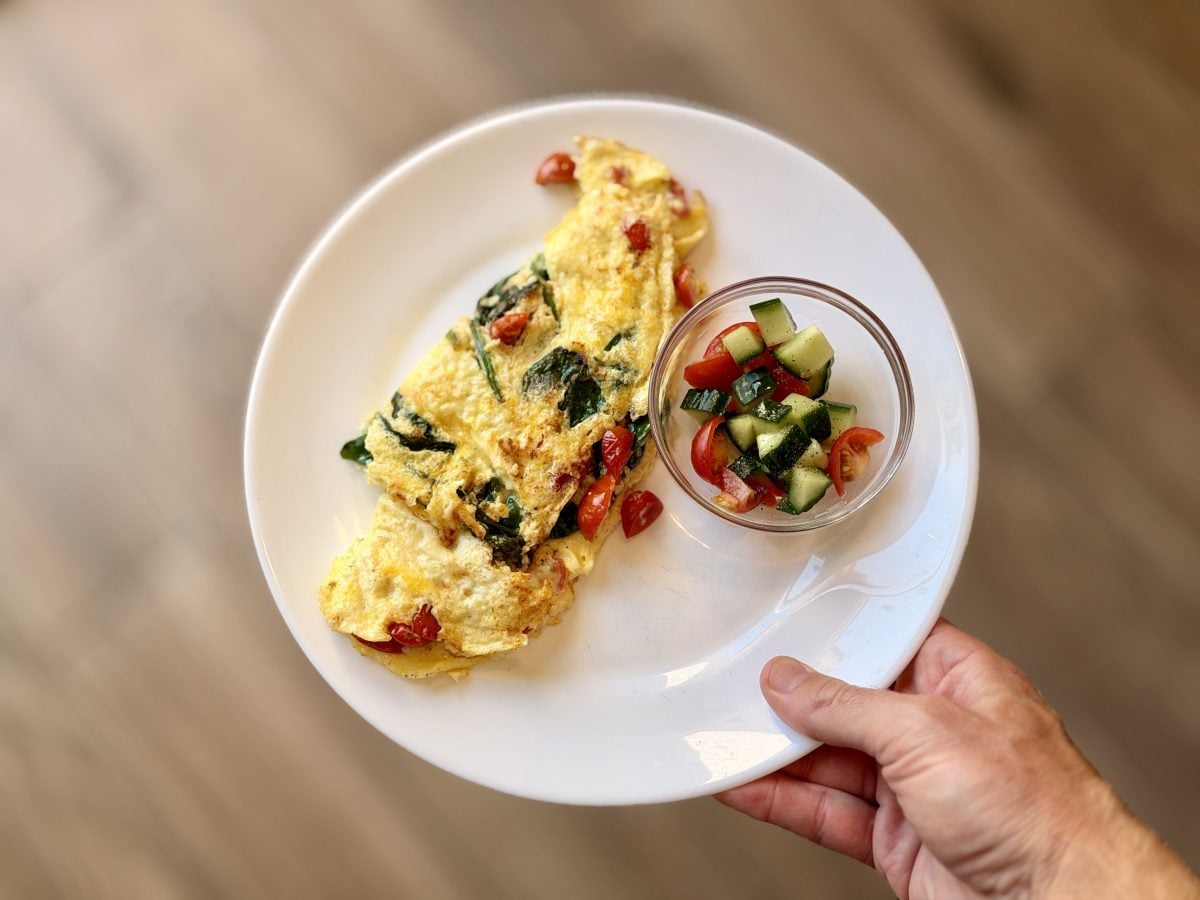
Virtue Omelet, worth a spot! You can never have too much spinach because it wilts down! Feta provides the salt and tang that you would have to create with seasonings. This is a dish that elevates a weeknight dinner to a delightful cafe-style brunch!
Beat three eggs with a little bit of water or milk and add some salt and pepper.
Saute a big handful of fresh spinach in a little butter or olive oil over medium heat until just wilted, about 60 seconds.
Slide the eggs over to one side, pour them into the pan, and allow them to rest on the bottom for approximately 20 to 30 seconds. With a spatula, raise the edges, and then, at an angle to the pan, allow the uncooked egg to flow to the bottom.
Once the top is slightly glossy (but no puddles of liquid) fold one first and sprinkle crumbled feta on it. then slide it onto your plate. If the eggs browned before they set, then your heat was too high. Remove from the heat and wait a few seconds before pouring again.
Swap: If you don’t have fresh spinach, that’s okay. If you’re using frozen spinach, you will need to thaw it and then squeeze it to get the water out. Otherwise, the spinach will make your omelet watery. If you don’t have feta cheese, you can use goat cheese for a similar taste. If you want a milder flavor, you can use shredded mozzarella cheese.
4) Lemon Pancakes
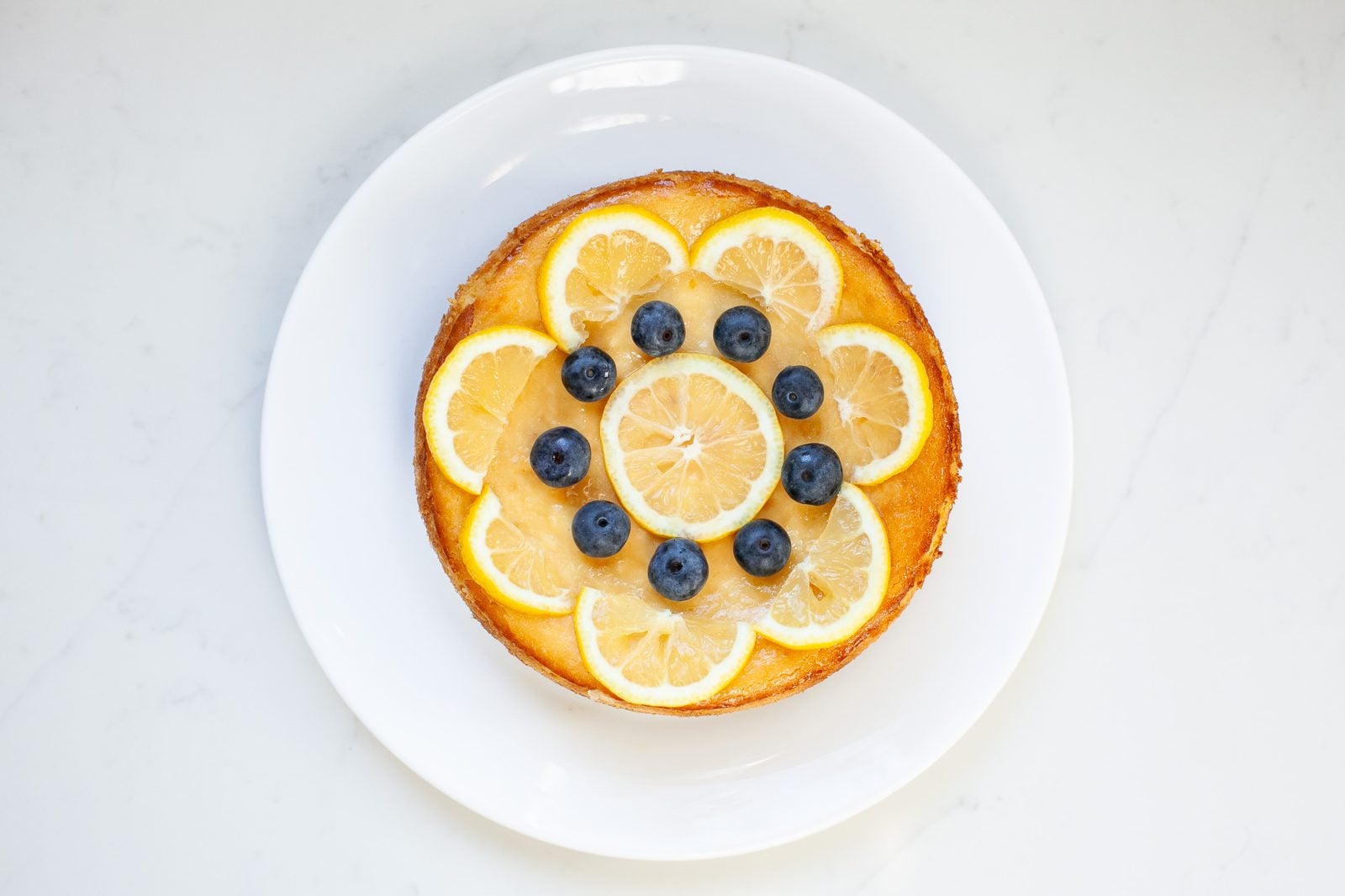
Lemon Pancakes yield their place: When you seek pancakes that have an occasion-like feel, yet remain uncomplicated. The ricotta provides them with a fluffy center, similar to mini soufflés, while the lemon balances the flavors and keeps the pancakes from feeling heavy.
Combine the ricotta, eggs, lemon juice and zest, and a splash of vanilla. Add the flour, baking powder, and a pinch of salt. The batter will be firm. Cook on a greased skillet for 3-4 mins per side at medium-low. Flip when bubbles appear at the edges and the top looks mostly set. Regular pancakes take longer than you think to cook, so adjust the heat lower rather than higher.
You can use blended cottage cheese as a replacement for ricotta. Just make sure to drain the cottage cheese if it’s wet. The flavor is slightly more tart, but the texture is very similar.
5) Blueberry Muffins
Blueberry Muffins: Preparing these the night before will make it look like you planned ahead for brunch. They are easy to transport, individually packaged, and last in storage for 2 days.
In a mixing bowl, combine the buttermilk, butter, and sugar, and mix until fluffy. Then add the eggs and combine. In a separate bowl, mix the flour, baking powder, and salt. Add the blueberries and gently fold to combine. It is okay to have lumps in the batter.
The more you mix the batter, the tougher the muffins will be. Fill the muffin cups almost to the top. Then bake in the oven for 20 to 24 minutes at 375 degrees Fahrenheit. Look for cracks on the top, edges that are golden brown, and use a toothpick to check for doneness (it should come out clean). If the tops start to brown before 20 minutes, cover the muffins loosely with foil.
6) Banana Bread
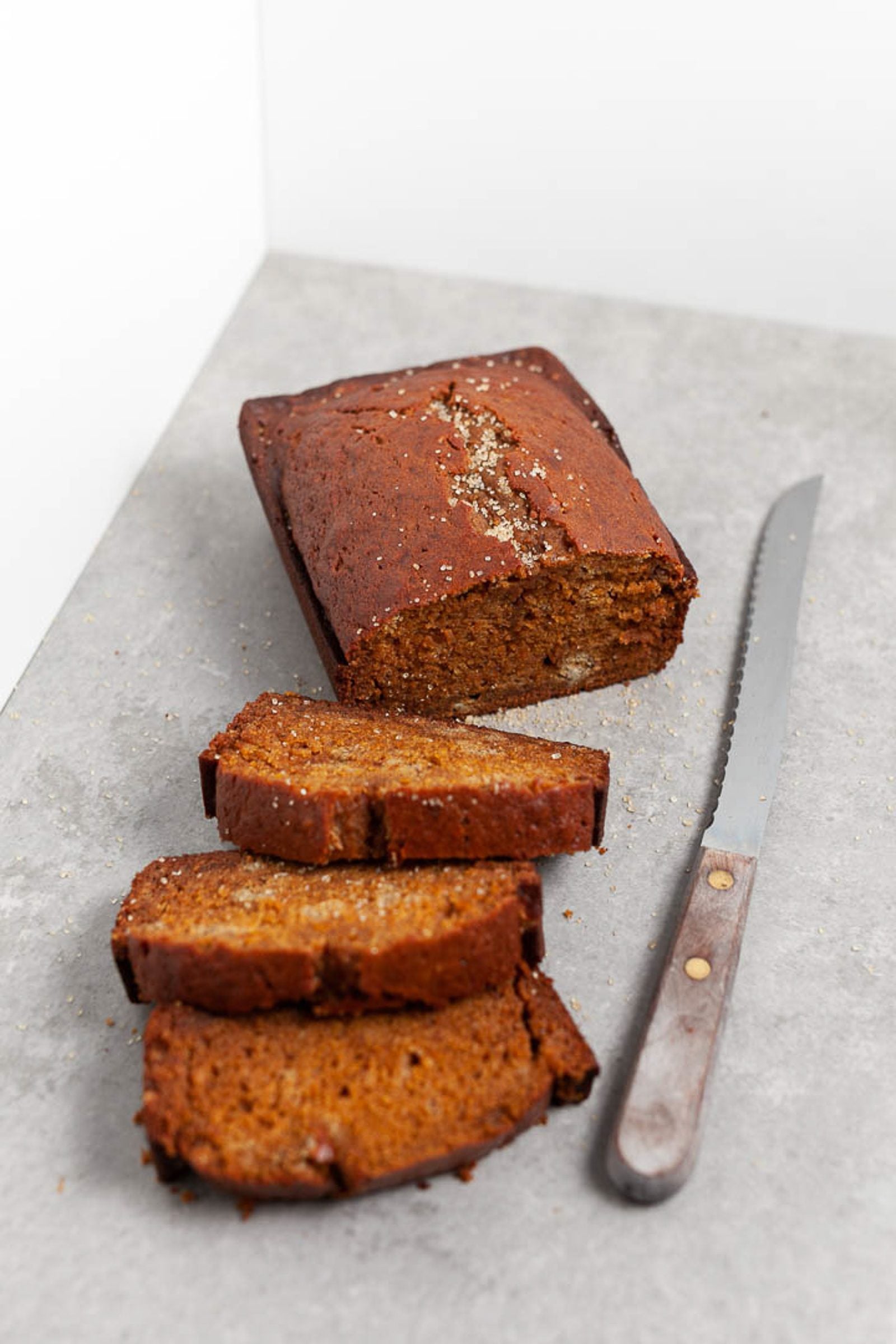
Brunch to Make Any, worth a spot: If the night before brunch you have some overripe bananas, the easiest thing to bake on the day of is banana bread and it makes the next morning even better.
Bananas should be mashed together until the consistency is nearly smooth. Then combine baking soda, salt, an egg, sugar, vanilla, and the butter that has been melted. Combine this mixture with the flour and mix. Then fold in the walnuts.
Pour the batter into a loaf pan that has been greased. Bake this at 350F for 55-65 minutes. The top should crack, the edges will pull away from the pan, and a toothpick should come out with a few moist crumbs. If after 40 minutes the top is getting too brown, loosely cover it in foil.
You can make this a nut-free loaf by omitting the walnuts. This is a good opportunity to add some chocolate chips instead. The chocolate version will definitely attract more people at a brunch table!
7) Avocado Toast
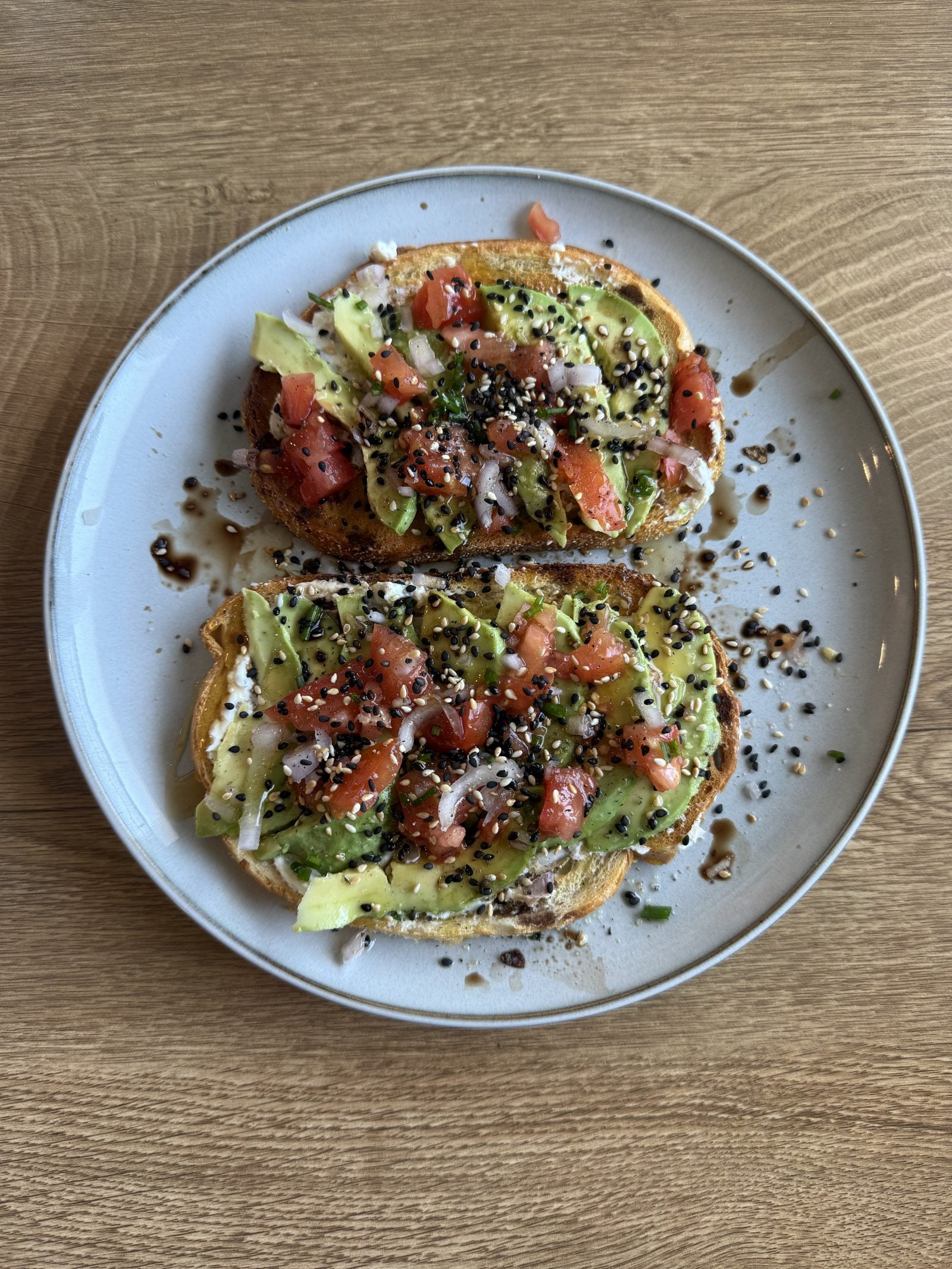
Why Avocado Toast pulls its weight: If you don’t want to cook something heavy tonight and the brunch menu is extensive.
Avocado toast is fast, it feeds people who are not doing eggs, and it scales up by just adding more bread.
Toast the bread until it is golden brown and firm. Mix the mashed avocado with some chili flakes, a bit of lemon juice, and salt to taste and spread it on thick. The lemon acts as both a seasoning and a way to prevent the avocado from browning. Don’t forget to sample it before you finish!
Most avocado toast is underseasoned.
At the end, add some flaky salt, an additional squeeze of lemon and more chili.
The most forgiving types of bread are sourdough and thick-cut sandwich bread. Thin bread won’t be able to support the weight of the avocado. To make it a full meal, you could add a fried egg on top.
Nathaniel’s Pantry Notes: Butter
Butter is present in almost all baking recipes here and many of the savory recipes as well. Doing various tasks in various contexts, and treating all of it the same is the one thing that will silently restrict your outcome.
The most important thing to remember: cold butter is used for baking and butter that’s at room temperature will be used for creaming. When cold butter is added to flour, it remains in separate chunks, which, as they bake, generate steam pockets. This is what creates layers in your biscuits and the crumb structure in your scones. When blended with sugar, butter at room temperature mixes thoroughly, incorporating air, which is how the lift is achieved in your muffins and coffee cake.
• Unsalted gives you control. Most recipes assume unsalted. Salted butter varies in sodium by brand, which makes consistent results harder. Buy unsalted for baking and add your own salt.
• Brown butter is a bonus move. Melt butter in a light-colored pan over medium heat and keep going after it foams. The milk solids toast and turn golden, and the butter picks up a nutty depth that regular butter does not have. Worth doing for the French toast or the coffee cake.
• European-style butter has more fat, less water. The extra fat makes flakier biscuits and more tender scones. The difference is noticeable side by side. Kerrygold is the most available option in the US.
What I purchase is Kerrygold as the butter focal point baking project ingredient. Any unsalted for everything else. Using butter that contains more fat definitely improves the biscuits. In scrambled eggs, I honestly cannot tell.
8) Eggs Benedict
What Eggs Benedict gets you: A choice if you’re looking to make a nice meal without committing yourself to a full day of cooking. After making hollandaise a few times, it’s pretty routine.
Poach the eggs by cracking them into a cup and pouring them into the swirling water along with a dash of white vinegar. The water should be around three to four minutes. The egg yolk should be runny. The egg white should be fully set and should have no translucent bits.
For the homemade hollandaise sauce, use a double boiler to cook and whisk the egg yolks with some lemon juice. While whisking, pour in some of the warm melted butter. After that, add a little salt, lemon juice, and cayenne pepper. Then, toast the English muffins and add Canadian bacon, a poached egg, and drizzle it with hollandaise.
If hollandaise seems excessive, a good alternative (albeit a different kind of substitution) is a thinner version of Greek yogurt mixed with a bit of lemon juice and a pinch of salt.
9) Salmon Bagels
What makes smoked salmon bagels a winner? There is no cooking involved. A group can put together their own smoked salmon bagel spread in ten minutes. That’s exactly how brunch should be!
High-quality smoked salmon, thinly sliced red onions, capers, and fresh dill paired with good bagels and softened cream cheese. Put everything in individual containers and let everyone assemble their own bagel. Squeezing a little lemon on the prepared bagel is a must. If you want a green element, include some slices of cucumber. The whole spread is easy going, bountiful, and does not require cooking.
Should you prefer a less salty and more cooked flavor, you can use hot smoked salmon (the type that flakes) in place of cold smoked salmon. The texture may be different, but the pairing works.
10) Shakshuka
Reasons for making Shakshuka: It is a one-pan dish so it is easy to clean, and you can serve as many people as can fit in the pan. It is perfect for a casual brunch as guests can come and go as they please, and you can keep the shakshuka on low heat and it will be ready when they are.
Begin with olive oil, sliced onion, and bell peppers.
Cook for approximately 8 minutes until the food is soft.
Add garlic, cumin, smoked paprika, and chili flakes and cook one more minute until the spices smell toasted.
Add salt and crushed tomatoes. Let the sauce simmer for 10 to 12 minutes so that it thickens and darkens. Make some wells and crack the eggs directly into the sauce. Cover the pan and let it cook for 5 to 8 minutes on medium-low heat. Keep an eye on the eggs instead of the timer. Serve this dish with some crispy bread or warm pita.
Crumbled feta should be added in the last two minutes of cooking, so that it may form a crust on the edges, while remaining intact in the center. This isn’t a substitution, it’s an enhancement.
11) Veggie Frittata
Reasoning for where Veggie Frittata deserves to be: Because you have a mix of vegetables to finish and a team to feed. A frittata is simple to serve to a big number of people as it can be cut into uniform portions and it can be served at ambient temperature.
In any skillet that is safe for the oven, sauté your choice of vegetables until tender and all the moisture has evaporated. Soggy vegetables can ruin a frittata. Whisk together 8 eggs and add a bit of milk, some salt, some pepper, and some herbs. Distribute the vegetables evenly and cook for medium-low heat for about 4-5 minutes until the edges are set. Transfer to an oven set to 375F and bake for 10 to 12 minutes until the center is just set and doesn’t wobble when the pan is shaken. Allow 5 minutes of resting time before slicing.
Any combination of vegetables can be used. Examples would be drained canned artichokes, roasted vegetables left over, or sun-dried tomatoes. Just make sure they are cooked and dry prior to adding the eggs.
12) Quiche Lorraine
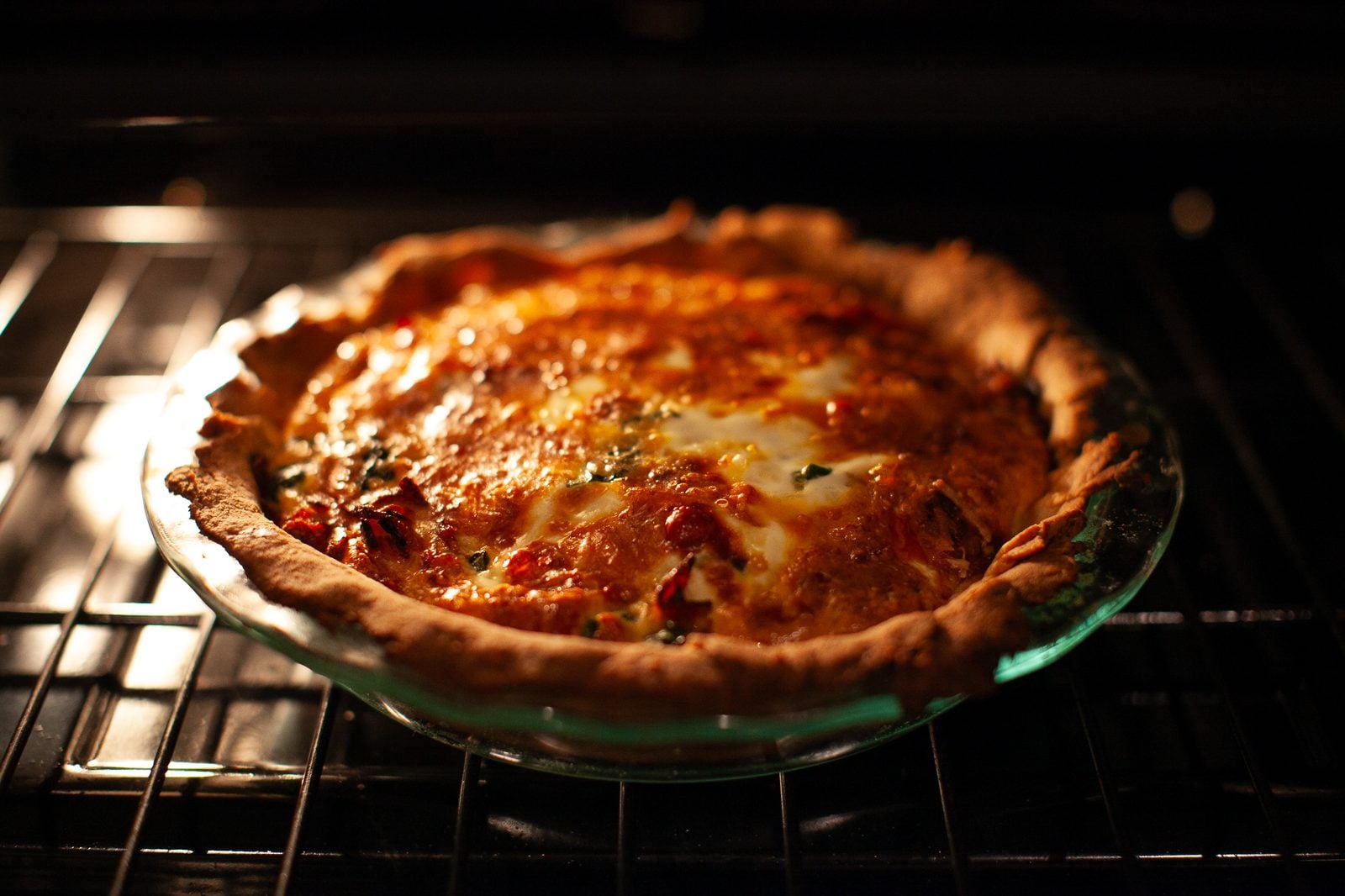
What makes Quiche Lorraine work: A fantastic choice if you’re trying to wow someone. It’s quite good if you want to prepare a dish ahead of time. It can also sit and reheat well so it’s a good choice for a large brunch.
Before adding the filling, bake the pie crust for 15 minutes at 375F (ensure to line the crust with parchment paper and pie weights). While this bakes, prepare the cooked bacon and shallots until bacon becomes crisp and the fat has rendered. In a bowl, combine and whisk eggs, heavy cream, salt, pepper, and a touch of nutmeg until mixed.
Layer bacon and shallots in the pie crust, then pour the custard on top. The edges should be set and a little puffy. The center should quiver a little but should not wiggle liquid. Rest for 15 minutes before slicing.
Substitute the bacon with ham or smoked salmon. You can also make it cheesier by adding some shredded Gruyere cheese on top before baking. While the custard ratio will be the same, you can adjust the amount of other ingredients you add.
13) Egg Muffins
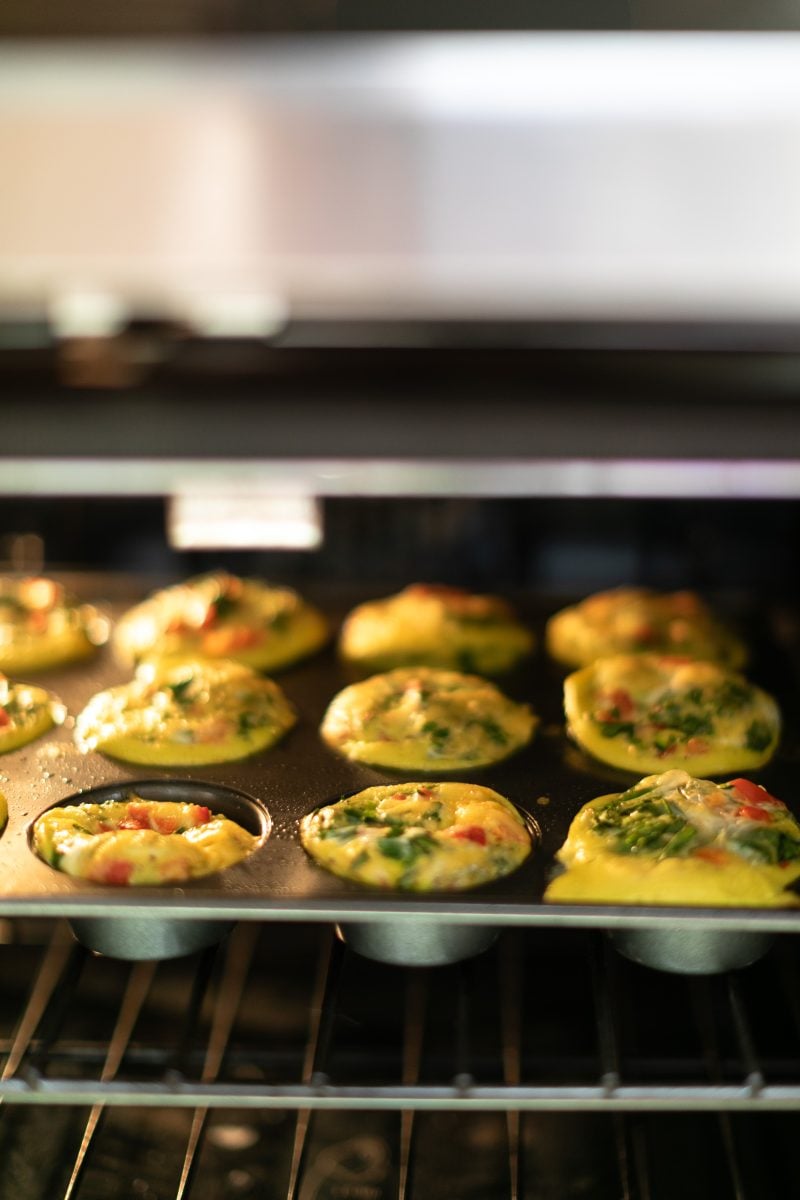
What does the breakfast egg muffin recipe offer: You can make multiple egg muffins meal prepped for the week, then keep them in your fridge and heat them up one at a time. They are a simple and clean option for a brunch style meal as they do not require you to cook anything when your guests arrive.
Wilt fresh spinach in a dry frying pan or thoroughly squeeze frozen spinach to ensure it is as dry as possible.
Whisk eggs with a splash of milk, salt, and pepper.
To prepare your egg muffins, start by greasing a muffin tin. Next, layer the bottom of each muffin cup with spinach, crumbled feta, and any other desired additions. Then, pour the egg mixture into the muffin cups filling each one about 3/4 full. Place the muffin tin in the oven and let them bake for 18 to 22 minutes at 350°F.
Look for edges that have set, a small spring back effect when pressed, and no jiggle in the center. Once out of the oven, let the muffins cool for five minutes. Then, use a knife to gently loosen the muffins from the sides of the tin.
Instead of spinach, you can use sun dried tomatoes, roasted red peppers, or sautéed mushrooms. Any soft, flavorful, and moderately moist (not too wet) vegetable will work.
14) Breakfast Burritos
Why Breakfast Burritos are Ideal: Since you’re feeding a lot of people who will be ready at different times, burritos provide an easy solution. Burritos can be assembled in stages, warm in foil, and eaten individually. They provide forgiveness and easy scaling options.
Cook the eggs until they begin to set but still soft. Cook the crumbled sausage or chorizo separately. If using canned black beans, warm them and season with a pinch of salt and some cumin. In a dry skillet, gently heat the large flour tortillas until they can be bent easily.
On the bottom third of the tortilla, layer the eggs, meat, beans, shredded cheese, and salsa. If you have avocado, add that as well. Start rolling from the bottom upwards, but first fold the sides in. Let rest for two minutes with the seam side down. Cut in half and serve.
Swap: To make this vegetarian, skip the meat and double the beans. For a more colorful look, use crumbled cotija cheese in place of shredded cheese.
15) Chilaquiles
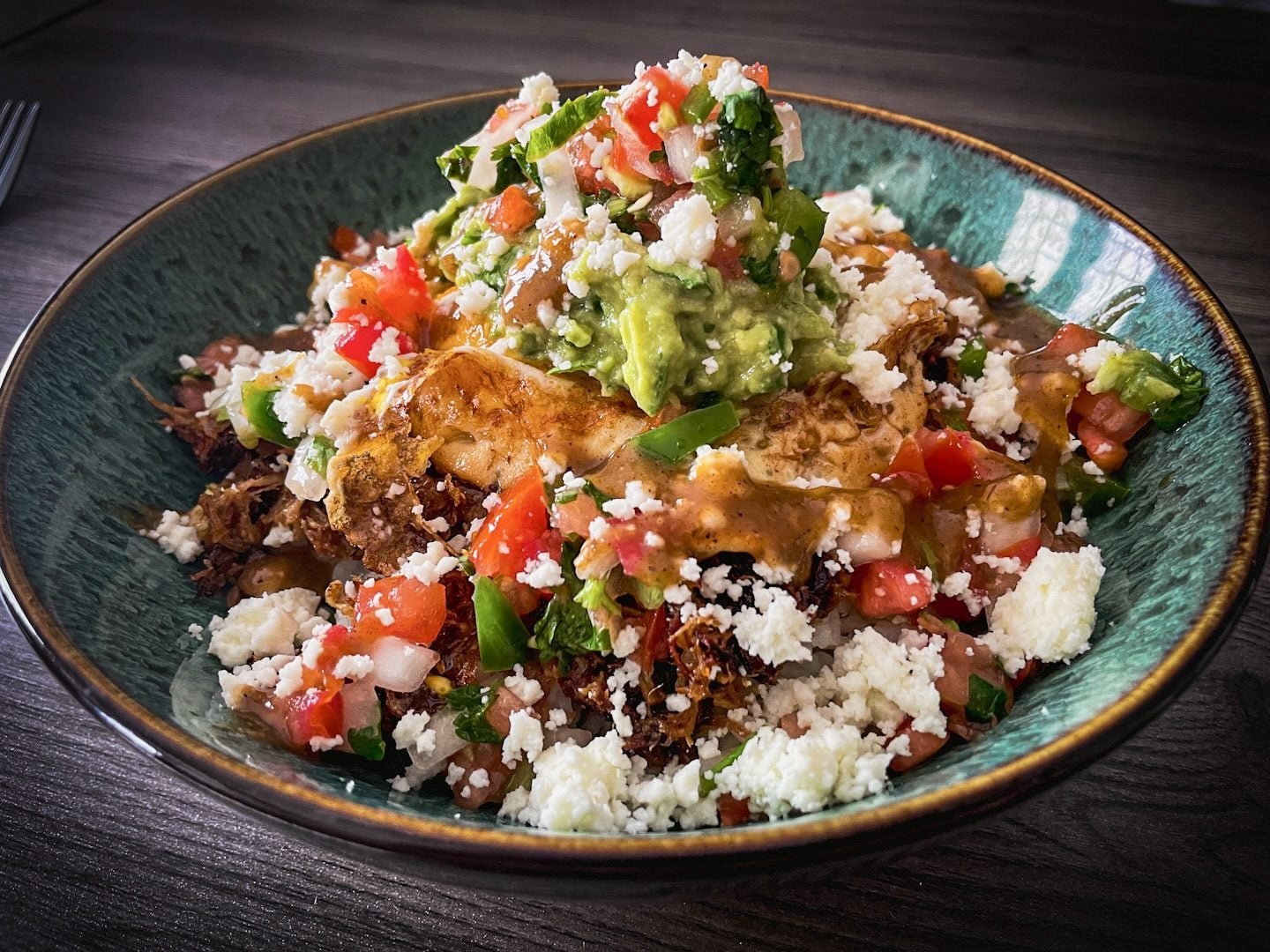
It’s because there are old tortilla chips and something warm and full of flavor is needed. Plus, it will take less time than you think. Chilaquiles are a classic dish because they are a good example of a salvage operation.
For this recipe, you will need to add some warm red salsa or enchilada sauce to a wide, flat skillet. Next, pour a generous amount of tortilla chips into the skillet, then use a spatula to fold the chips into the sauce. The chips will soak up the sauce and become soft. Allow approximately 3 to 5 minutes for this to happen at a medium temperature.
Top with fried or scrambled eggs, crumbled cotija or queso fresco, diced white onion, sour cream, and cilantro.
Serve promtly. They are best for the first ten minutes after they are made.
Green salsa can be used as an alternative for chilaquiles verdes. The flavor will be more vibrant and less smoky. Either way, use a salsa that you would eat by itself.
16) Huevos Rancheros
Huevos Rancheros Pitch: The dish is colorful, packs a punch, and has plenty of substance. Once you have the sauce, you will see that huevos rancheros is also fast and simple to make, and it is pretty filling. Plus, it doesn’t demand as much effort as you think.
Lightly oil a pan and fry the corn tortillas until the edges are a little crispy. Place them on a dish. Heat the black or pinto beans. In the same pan, prepare the eggs sunny side up or over easy. Create layers with ranchero sauce, tortillas, beans, and the egg. To make the ranchero sauce, blend tomatoes, onion, garlic, jalapeno, and salt and simmer the blend for 8-10 minutes until the sauce is thickened and darkened. You can add cotija cheese, cilantro, avocado, or sliced jalapenos on top.
If you’re short on time, canned enchilada sauce can serve as an acceptable substitute for ranchero sauce that you might make from scratch. It is advised to heat the sauce prior to use and it should not be used directly from the can.
17) Biscuits And Gravy
Why Biscuits And Gravy does its job: If it’s a bit of that good old Southern cooking you’re after, biscuits and gravy is sure to fit the bill. Before anyone even sits down at the table, the inviting smell of biscuits and gravy will have people coming to the kitchen.
For the biscuits, start by cutting the cold butter into the mixture of flour, baking powder, baking soda, and salt until the mixture is crumbly. Add cold buttermilk and mix until just combined.
Pat, fold two times, and cut straight down without twisting the cutter. When you open one you should look for tall golden tops and visible layers. For gravy: in a skillet, brown the crumbled pork sausage, leaving the fat in the pan, add flour and cook for one minute, then slowly pour in milk while stirring. Cook for about 5 to 7 minutes until thickened. Add salt and black pepper liberally.
Turkey sausage or plant-based sausage can be substituted in the gravy recipe. Since the plant-based option will not render much fat, please add one tablespoon of butter before adding the flour.
Nathaniel’s Pantry Notes: Eggs
More than half of these recipes contain eggs. They serve as the main event in baked ones and as structure in the savory ones. Here are some tips about eggs that will enhance almost any dish.
Shell color is marketing. There is no distinction in taste between brown eggs and white eggs. What actually varies is the color of the yolk, which depends on the hen’s diet. Hens that are fed beta-carotene rich feed or that are pasture raised produce yolks that are a deep orange color. Scrambled eggs will be richer, hollandaise will be more dramatic, and baked goods will look better with deep orange yolks. This is the only place where more money (pasture-raised eggs) actually gets you something you can taste.
• Size matters in baking. Most recipes assume large eggs. If you use medium eggs in a recipe that calls for four large, you are short about two tablespoons of liquid and structure. Use the right size.
• Freshness test: place the egg in a glass of water. Fresh eggs sink and lie flat. Older eggs stand upright. Floating eggs should be discarded.
• Room temperature eggs cream better and scramble more evenly than cold eggs. Take them out of the refrigerator 20-30 minutes before you need them for baking.
What I purchase: pasture-raised when available and priced reasonably. The taste is different, and the yolks have a more orange pigmentation. This is noticeable with scrambled and fried eggs. For muffins and quiche that’s not as true.
18) Breakfast Sandwiches
Breakfast Sandwiches Offer: If you need to serve people at varying rates and don’t have time to cook individualized orders at the griddle, set up a station, pre-make the components in bulk, and let customers build their own.
Butter the pan and toast each English muffin until the cut side is golden. For the egg, either fry it or scramble it. Then, fold it to fit the muffin. While the egg is still hot, place a slice of American or cheddar cheese on top to allow the cheese to melt. Add bacon, ham, or sausage patties as well. To assemble the sandwich, press down lightly so the cheese adheres to both sides. If you are making a larger quantity, wrap them in foil. They will stay warm for about 15 minutes.
Indulge in the extravagance of choosing a small croissant instead of an English muffin option for the everything bagel or ciabatta sandwiches.
19) Hash Browns
Why hashbrowns are worth the hype: You want something that you can’t stop eating, something with a crispy outside and a soft, chewy inside. There really is no recipe to authentic hashbrowns; it’s all about the techniques. Techniques are patience and dryness.
Grate russet potatoes and immediately squeeze as much water out as possible through a clean towel.
This is the entire method. Season your food with some salt and pepper. Place them in a single layer in a very hot pan with a good amount of oil. After 5-7 min of uninterrupted cooking time, they should have a nice golden brown bottom. After 5 min, flip them and cook for another 5 min. You want a crust that shatters when cut into and an interior that is yielding.
Frozen shredded hash browns have been dried in advance. Because of this, they provide a somewhat less earthy flavor, yet just as crunchy.
20) Breakfast Potatoes
What breakfast potatoes get you: Looking for a side that goes with pretty much everything on the table, and is easy enough to prepare in just one pan? Breakfast potatoes are the basis of any brunch spread.
After dicing the potatoes, parboil them for 5-6 minutes until they are almost fork-tender. In a cast iron or heavy skillet, pour some oil and heat it on medium-high. Once the oil is hot, add the potatoes and don’t stir for about 4-5 minutes, so they can form a crust. Then, add the diced bell pepper and onion, and cook for another 8 to 10 minutes stirring occasionally. Season with garlic powder, smoked paprika, salt, and pepper so they can be clean and golden on the edges and soft in the centers.
To increase spiciness, add a diced jalapeño along with the other peppers. For a completely different flavor, add a spoonful of salsa verde at the end.
21) Cinnamon Rolls
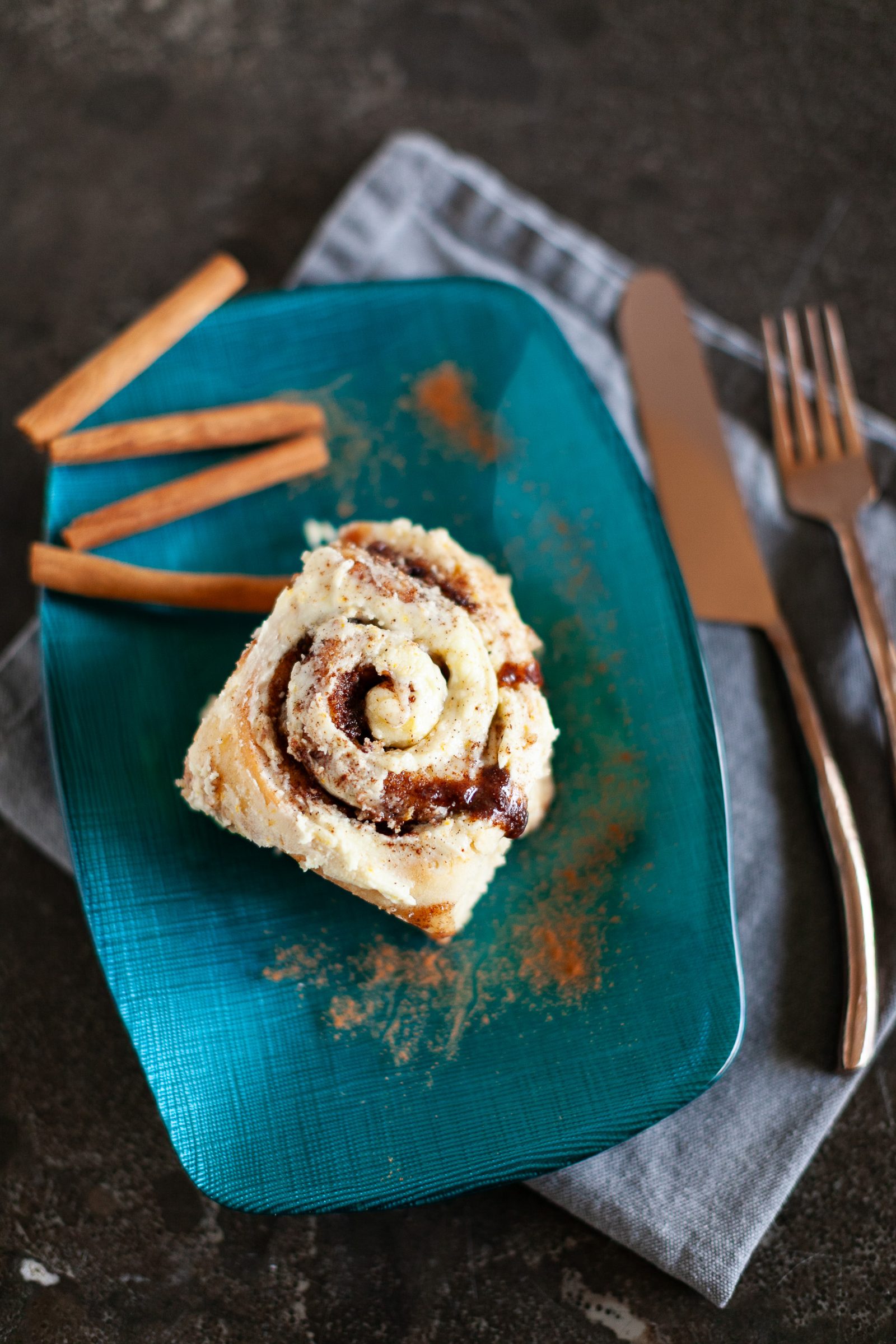
Yet another reason to choose this the night before brunch. Cinnamon rolls are the kind of baked goodds that give you a reward for doing the work ahead of time. Before anyone had coffee, the smell of baked goods wafted throughout the house.
Prepare the enriched dough the night prior: Combine yeast with warm milk and a pinch of sugar. Once the yeast has activated, combine the milk and yeast mixture with eggs, butter, flour, and salt and knead until smooth. Let rise and refrigerate overnight.
The next morning, the dough should be rolled out and spread with softened butter, cinnamon, and brown sugar and rolled up tightly. Cut the rolled dough and place into a greased pan. Allow to rise again for 45-60 minutes until visibly puffed and barely touching. Preheat oven to 350 degrees and bake for 22 to 28 minutes. You want golden tops and dry looking centers. Frost while warm.
Cutting corners can be considered using crescent roll dough located in the refrigerator section. Just roll it out, fill it the same way and bake it as directed. It may not be the same, but it is good enough for a weekday.
22) Coffee Cake
What’s great about the coffee cake is that it’s ready to serve when you are! It’s the perfect bake for when you don’t feel like doing much prepped. You can’t go wrong serving coffee cake at a brunch. No fuss, no hassle, & no last minute baking. Just slice and serve!
Start with the streusel by mixing the cold butter, brown sugar, cinnamon, and flour with your fingers to create chunky clumps. Next, for the cake, cream the butter and sugar, add the eggs and the vanilla. Combine the flour with the sour cream or buttermilk, and pour that into your mixture in alternating portions until just mixed.
Pour that into a greased 9 13 or 8×8 pan and top with a layer of streusel. Bag i for 35-40 minutes at 350°F. When the top of the streusel turns golden and a toothpick comes out with a few moist crumbs (not wet batter), the cake is ready.
Sour cream will add tenderness to the crumb. Greek yogurt has the same effect. You could use plain milk, though it does lose some richness.
23) Yogurt Parfaits
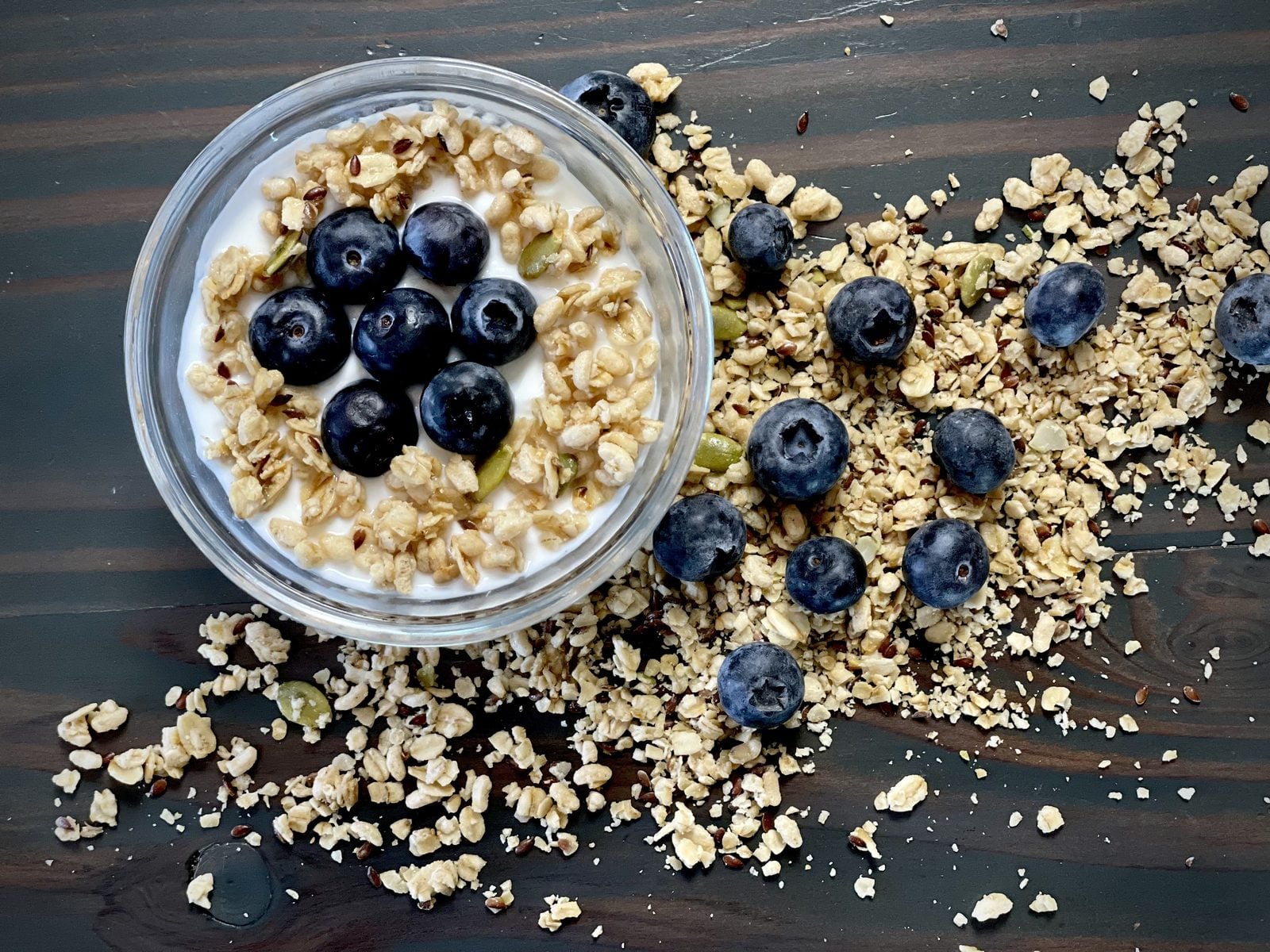
Why we chose yogurt parfaits: When you wish to add something wholesome that will pair well while the other dishes are filling. Moreover, Parfaits are easy to prepare in advance because the yogurt, granola, and fruit can be prepped the night before, and assembled in just 2 minutes the next morning.
Use full-fat Greek yogurt and season it with a little honey and a pinch of vanilla.
It is already good. It makes it something you d eat by itself. Layer the yogurt, granola, and fresh fruit in any order you want. The only thing that could go wrong is making the parfait too early which would cause the granola to get soggy. Do not combine the components until you are ready to serve.
To make this recipe dairy-free, try using coconut yogurt or any other plant-based yogurt. Just make sure you pick one that has a thick consistency to avoid smudging during layering. When using thinner yogurts, it’s a disaster.
24) Fruit Salad
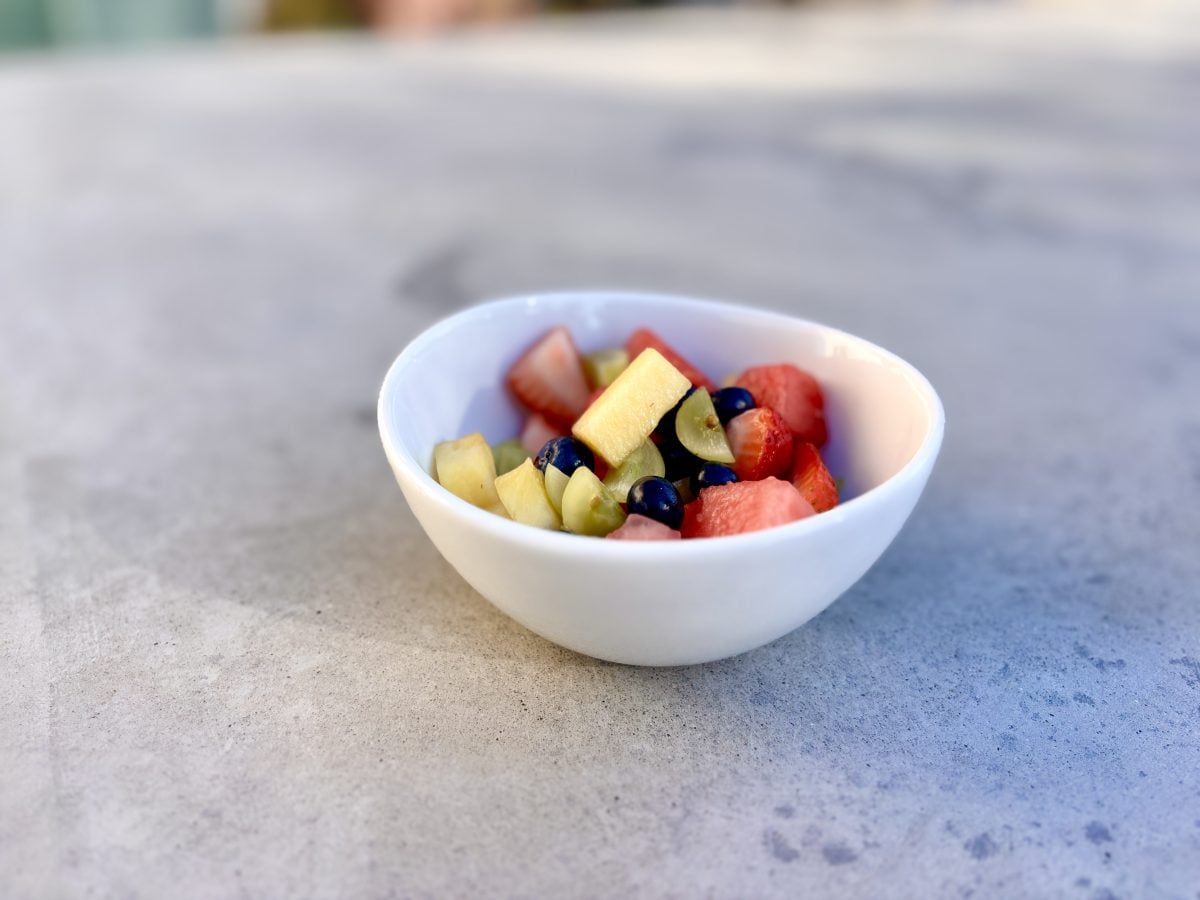
Why Fruit Salad makes the cut: When you want something that is ready to go, involves no cooking, and shows a little thought. A well made fruit salad makes you think about the fruit that has been dressed. Not just diced fruit in a bowl.
The best combination is strawberries, blueberries, mango, kiwi, and grapes. The best result will come from mixing sweet with tart. Grate lime zest and put it in the bowl, then juice the lime. Add a handful of torn mint leaves and a small drizzle of honey. Gently toss and taste. The lime juice helps prevent browning and adds flavor. You can make this dish up to two hours in advance and it gets better the longer it sits.
Alternatively, you can use orange juice and fresh ginger instead of lime and mint. This would be a little warmer and a little spicier. Great for autumn and winter when tropical fruits are less accessible.
25) Granola
The case for Granola: Homemade granola takes twenty minutes of active work and then sits in a jar, ready to go, for two weeks.
This is an excellent example of a brunch job where the pay is continuous.
Mix the oats with either warmed coconut oil or olive oil (room temperature is fine), maple syrup, a pinch of salt, and your choice of warm spices. Cinnamon and cardamom are the usual suspects. Spread the mixture over and across a sheet pan. Bake for 25-30 minutes at 325F, stirring once at the halfway mark.
The color should be a deep golden brown across the entire pan. If the color of the granola is light, it will have a raw taste. Oats will become crisp once cooled, so don’t try to get crunch during the bake by overbaking.
Use honey in place of the maple syrup. During the final 10 minutes of baking, you can add the toasted coconut, sliced almonds, or pepitas. Dried fruit should be added only after the mixture is removed from the oven, or it will become an unappetizingly chewy mass.
Nathaniel’s Pantry Notes: Fresh Citrus
More recipes contain lemon than any other single herb or spice. It is in the avocado toast, the custard of the French toast, the hollandaise of the eggs Benedict, the dressing of the breakfast salad, the crepes, the finish of the Dutch baby, and the fruit salad. The fruit salad also contains lime. This is not a coincidence. Out of all the tools a cook possesses, acid is one of the most important, and the most forgiving way to use it is through citrus.
Acid does more than brightness to flavors. It helps other flavors stand out. A finished egg dish can taste more like eggs with a squeeze of lemon. It boosts richness without removing it. This is the reason why hollandaise sauce, despite being a rich sauce, contains lemon.
• Zest before you juice. Once you have juiced a lemon, you cannot get the zest. The zest has more aromatic compounds than the juice and adds a floral note the juice alone does not have. Get the zest first, every time.
• Bottled lemon juice is not the same. It has been pasteurized, which mutes the fresh citrus notes. For finishing a dish or dressing a salad, fresh juice is worth the minute it takes. For baking into a custard, bottled is acceptable.
• Roll the lemon on the counter with your palm before cutting. The pressure breaks the cells inside and you will get significantly more juice per fruit.
Lemons for regular cooking, Meyer lemons if I happen to see them at the market. These lemons have a lower tartness and higher sweetness level. Great for recipes that would benefit from a citrus flavor but don’t want too much acidity — the lemon ricotta pancakes, the Dutch baby, the crepe finish.
26) Oatmeal Bar
Brunch to Make Any: Argument: When you’re looking for a simple brunch option that can accommodate a variety of tastes, is inexpensive to make, and can be kept on the stovetop for a whole hour without compromising quality. An oatmeal bar is warm, unassuming, and surprisingly very popular.
To cook rolled oats, use twice the amount of liquid in comparison to oats, and add a bit of salt. For the creamiest results, use either whole milk or half-and-half. To keep the oats warm, cover and place on low heat. For individual toppings, use small bowls to separate: cinnamon, honey, nut butter, chopped nuts, banana slices, berries, maple syrup, and brown sugar. Let people assemble their own bowls. This takes almost no cost, and almost no effort.
Steel-cut oats give a chewier texture. Their cooking time is also longer 25 to 30 minutes as opposed to rolled oats, which only take 5 to 10 minutes, and so you may want to prepare them the night before, and in the morning just add some milk and heat them.
27) Breakfast Salad
Why you can find Breakfast Salad on the menu: Sometimes you feel like eating something light, but also feel like eating something more substantial than traditional brunch food. Breakfast salads are the ideal answer for brunch customers who want to avoid the eggs and toast.
To soft-boil an egg, place the egg in boiling water, and leave it there for six minutes. When the time is up, immediately place the egg in an ice bath for three minutes. After three minutes, take the egg out of the ice bath and start peeling at the wider end where the air pocket is located. Next, prepare a salad by combining radish, cucumber, avocado, and greens. Dress lightly with a lemon vinaigrette.
Finish with halved soft-boiled eggs and flaky salt. The idea is for the yolk to spill slightly into the dressing when you cut it.
Swap: If you wish, you can use poached eggs instead. The texture of the yolks is almost the same, and the poached eggs have a slightly more theatrical presentation. If you like the edges crispy, the salad is just as good with a fried egg on top.
28) Breakfast Tartines
Breakfast Tartines and the experience they provide: When the tomatoes are at their peak. If the tomatoes aren’t great, don’t bother making this. A tartine doesn’t allow for any hiding. There are only two or three ingredients, so each one has to be exceptional.
Toast high-quality bread slices until they turn deep gold and sturdy. Spread fresh mozzarella and sliced, ripe tomatoes on top. Use flaky salt and drizzle good olive oil generously. If you have it, add some torn basil; alternatively, you can use oregano or leave it out. If balsamic vinegar is your thing (it’s mine) drizzle some on. Serve immediately as tartines do not hold.
If you want something richer, instead of using fresh mozzarella, you can use burrata. When cut, it behaves differently than fresh mozzarella and forms a different kind of pool. Room temperature cheese is undoubtedly preferred to cheese that has been chilled.
29) Savory Scones

What makes Savory Scones the right choice: If you want a baked good that isn’t sweet. Also if you want to be able to quickly assemble this the morning of, scones are designed to be made quickly, are simple to pack, and will stay good for up to 2 hours.
Cutting cold butter into the mixture of flour, baking powder, salt, and a hint of cayenne, the mixture should look like coarse peas. Add sliced chives and sharp cheddar cheese. Add the cold buttermilk and mix until combined. Nothing more. Pat mixture down to form a rectangle and then cut into wedges or squares. Bake for 15 to 18 minutes at 425 degrees F until the bottoms are golden, tops are slightly split and they sound hollow when tapped. Do not stack warm scones.
SWAP: Instead of chives use scallions, and use Gruyere cheese and crumbled bacon instead of Cheddar and no bacon. Any hard cheese and any green allium could be used here.
30) Breakfast Quesadillas
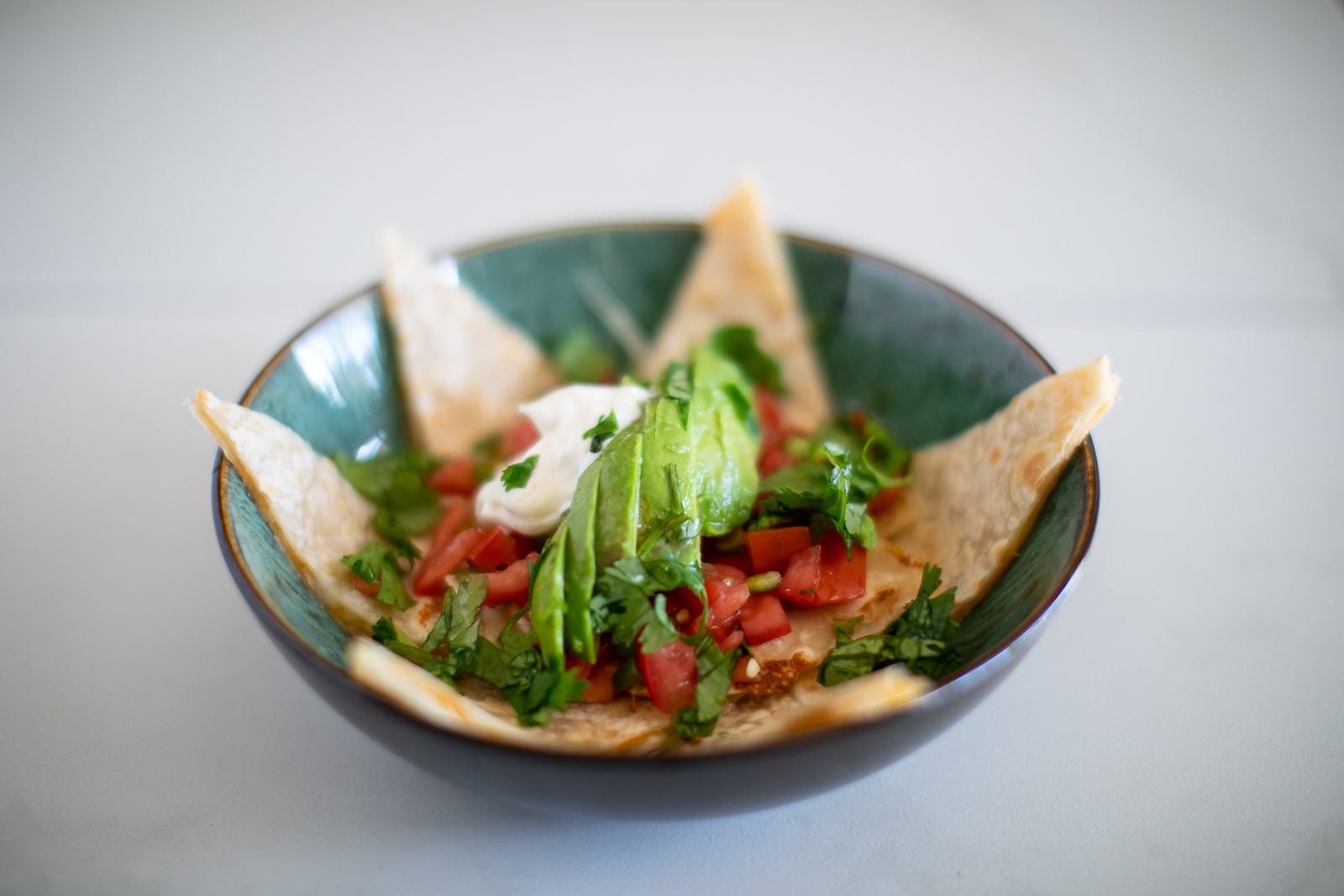
Breakfast Quesadillas are a no brainer when you need a meal that is quick and easy. Filling a quesadilla with some eggs is a great idea and people are going to love them. Not only are they going to love them, they will be ready in 8 minutes! Everyone is going to be able to enjoy them.
Gently stir the eggs to the point where they are just about to fully set. Grate some cheese, cheddar or Monterey Jack (or mix them). Lightly oil a pan, then warm a flour tortilla in the pan, adding cheese on one half, eggs on top, then fold the tortilla over. Cook it for 2-3 minutes on each side on medium heat until the outside is fully deep golden and the cheese inside has melted. The outside should be more crispy than soft and pale. Let it sit for a minute before slicing to let the cheese set a little.
Include cooked chorizo, black beans, roasted peppers, or any other savory ingredient you have on hand. Quesadillas make a great option for end-of-week meals.
31) Baked Oatmeal
Why Baked Oatmeal belongs here: When you want something that bakes while everyone is still waking up and lands on the table with no last-minute cooking needed.
Baked oatmeal is the most hands-off brunch dish that still feels warm and deliberate.
In a separate bowl, combine the eggs, milk, maple syrup, vanilla extract, cinnamon, baking powder, and salt. Add the mixture to the rolled oats and stir well. Pour the mixture into a greased 8×8 or 9×13 baking dish. Top with various kinds of berries (fresh or frozen). The center should feel gently firm. The edges should be golden and pulled away from the dish. The top should look set and dry. Let cool before cutting.
Instead of the berries, you can use sliced peaches, pears, or apples.
For bananas, slice them on top for the last 10 minutes so they caramelize instead of turning soft throughout.
32) Crepes
Where Crepes earn their spot: At Crepes, we want to bring your patience and love for the culinary arts to the forefront. Our batter takes a mere 5 minutes to prepare, but for optimal results, we suggest letting it sit for 30 minutes before use. You could even do that the night before!
Combine melted butter, flour, a pinch of salt, milk, and eggs to prepare a smooth batter. Let the batter rest for at least 30 minutes (preferably overnight). Place the batter in the refrigerator. Then, prepare a frying pan over medium heat (use a non-stick pan). Then, take a small amount of the batter and pour it into the bottom of the pan. Tilt the pan on all sides so that the batter forms a thin layer.
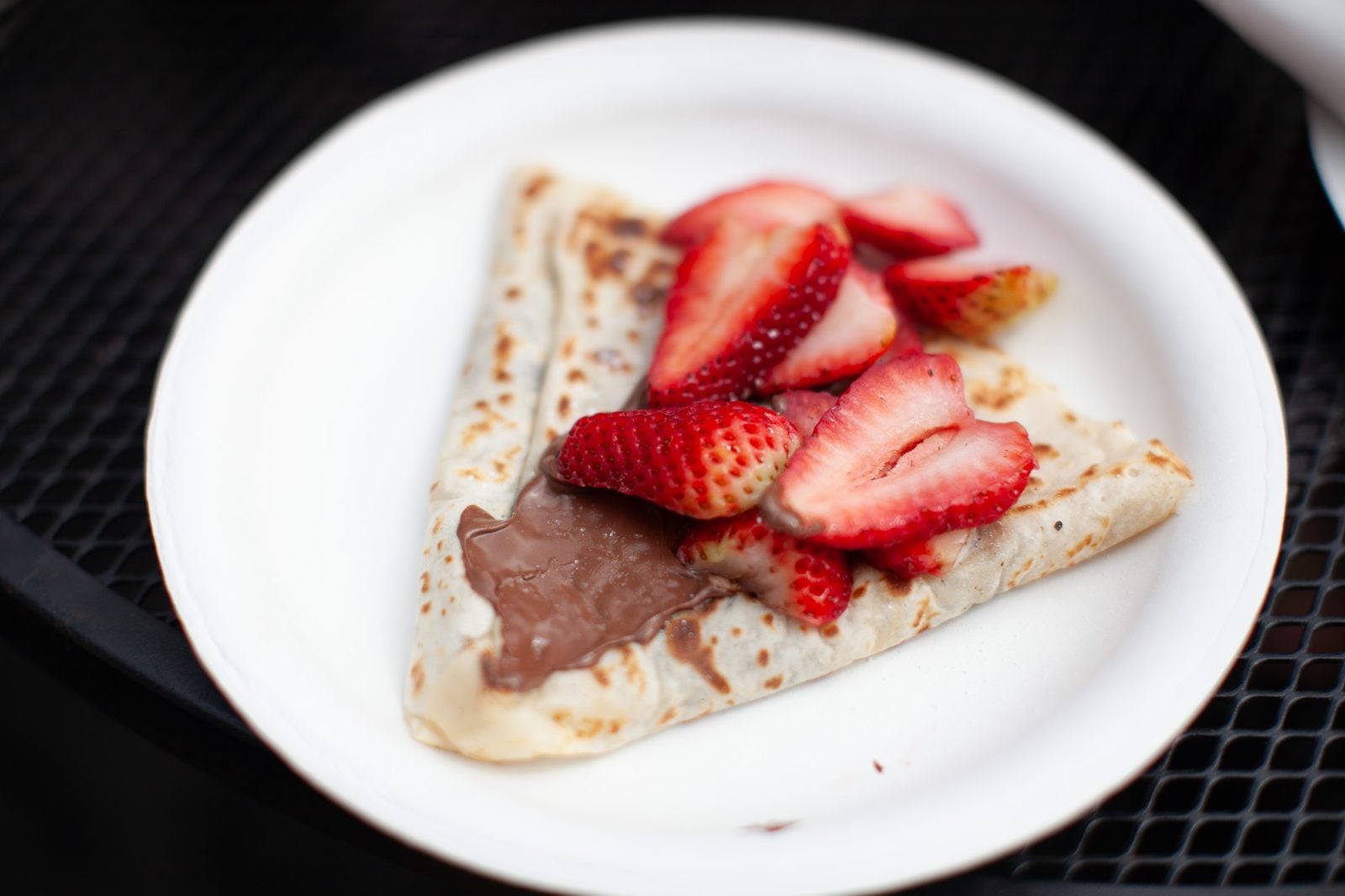
Allow it to cook for about one or two minutes, or until the edges dry and form a lacy border. Flip the crepe to cook the other side for an additional 30 to 45 seconds. Repeat crepe layering with parchment paper for each crepe. Lastly, spread Nutella on the crepe, top with sliced strawberries, and fold into quarters.
When it comes to warm crepes, nothing beats the old classic of crepe lemon juice and powdered sugar combo. Simple, timeless, and the perfect way to complement the crepes without overshadowing them. An alternative to this pairing can be honey and ricotta.
33) Dutch Baby
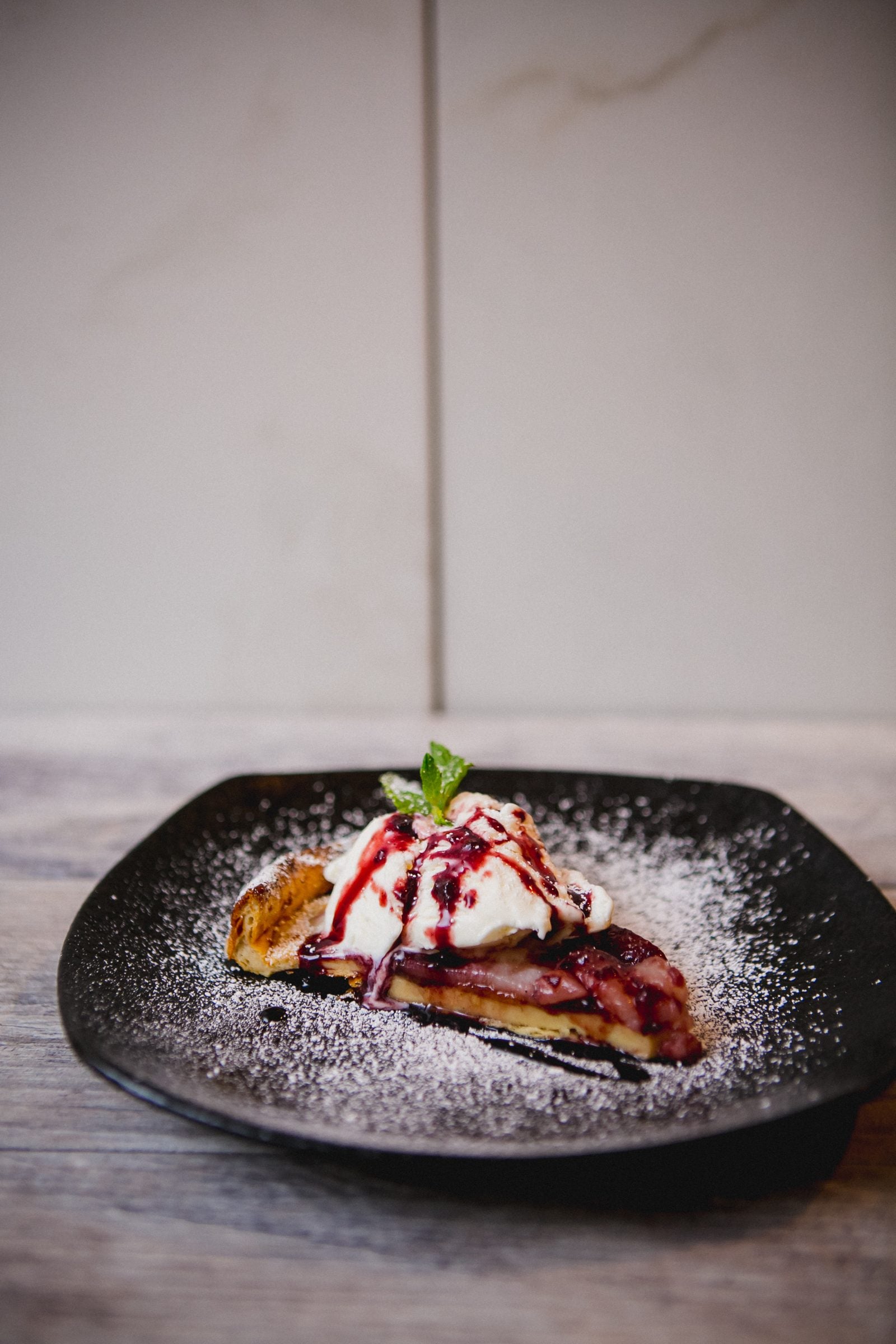
Dutch Baby, the short case: If you wish to have some batter prepared for the entire table and would like a theatrical presentation, Dutch Baby is the right choice. An all-in-one batter breakfast: take some batter, pour it into a hot pan, and stick it in the oven. In about twenty minutes, the batter will have dramatically puffed up. No one will be indifferent to this dish!
As the oven heats up, place a clean cast-iron skillet inside it. Combine the eggs, milk, flour, a dash of salt, and vanilla. Smooth out any lumps and, once the oven beeps, add butter into the skillet so it can melt and froth. Pour the batter right after that and bake for approximately 18-22 minutes.
You will know the Dutch baby is done when the outer edges have raised and turned a nice golden brown color while the middle puffed up and is dry with no shiny wet spots. Dust the top with powdered sugar and serve it with lemon wedges and fresh fruit.
For the savory variation, the batter is made without vanilla and is accompanied by crème fraîche, smoked salmon, and capers. A different combination, but the same theatrical puff.