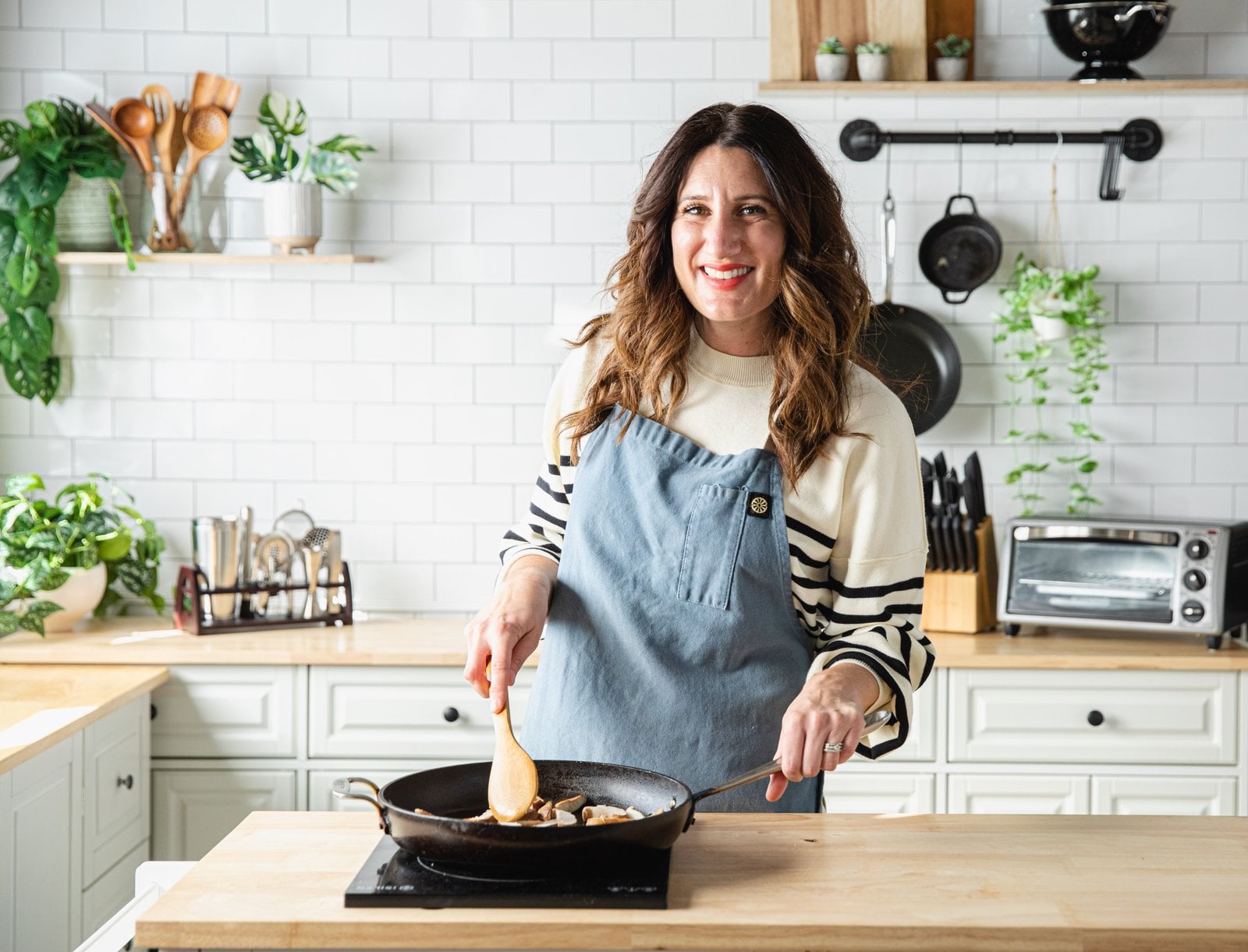
A Dutch oven is a somewhat expensive piece of kitchen equipment, but it really pays off once you realize just how versatile it is and how many things it can do. It has really nice tall walls, which makes it excellent on the stovetop for lots of different things like soups or pastas, and it’s an oven safe dish, so it can also be used for things like casseroles.
One of the best features is using both of those at once in one meal to get the maximum amount of flavor, and it reduces the amount of dishes you have to do, because there are a lot of one pot meals that can really take advantage of the size and weight and shape of this unique piece of cookware.
I also appreciate that they’re quite beautiful, so you can put one directly on the table with the meal you spent your hard time on, and it’s going to look delicious and seem so inviting, whether for your family at home on a weeknight or for a special occasion. It works for both, and it does not have to be super complicated.

1) Chicken and Dumplings
This is a recipe where the chicken is cooked first in the bottom of the Dutch oven so it can be browned on the surface with just a little bit of salt and some oil. Once it gets a nice color, the rest of the ingredients for the broth and the soup can be added right there on the stovetop.
One thing that’s really wonderful about the Dutch oven for this recipe is the dumplings. I don’t know about you, but I’m always worried about the dumplings not being cooked all the way through and having some raw batter still on the inside if you don’t make them teeny teeny tiny. This is a really good way to have slightly bigger dumplings, because the lid of the Dutch oven is much heavier than a normal pot, so it does an efficient job of trapping steam and making sure the heat inside the pot is high enough that the steam can really get into those dumplings and cook them all the way through.
So you don’t have to worry about dunking them under the water to boil them to death, they can be steamed sitting on top of the broth and cook all the way through into a delicious, flavorful meal.
I always like to do my chicken and dumplings with a little bit of cheddar cheese in with the creamy broth. One extra thing you could do with the Dutch oven is sprinkle a little cheese on top and, at the very end of cooking, pop it in the oven on the broil setting to get some crispy cheese right on top of the dumplings and vegetables and chicken all together.
2) Beef Bourguignon
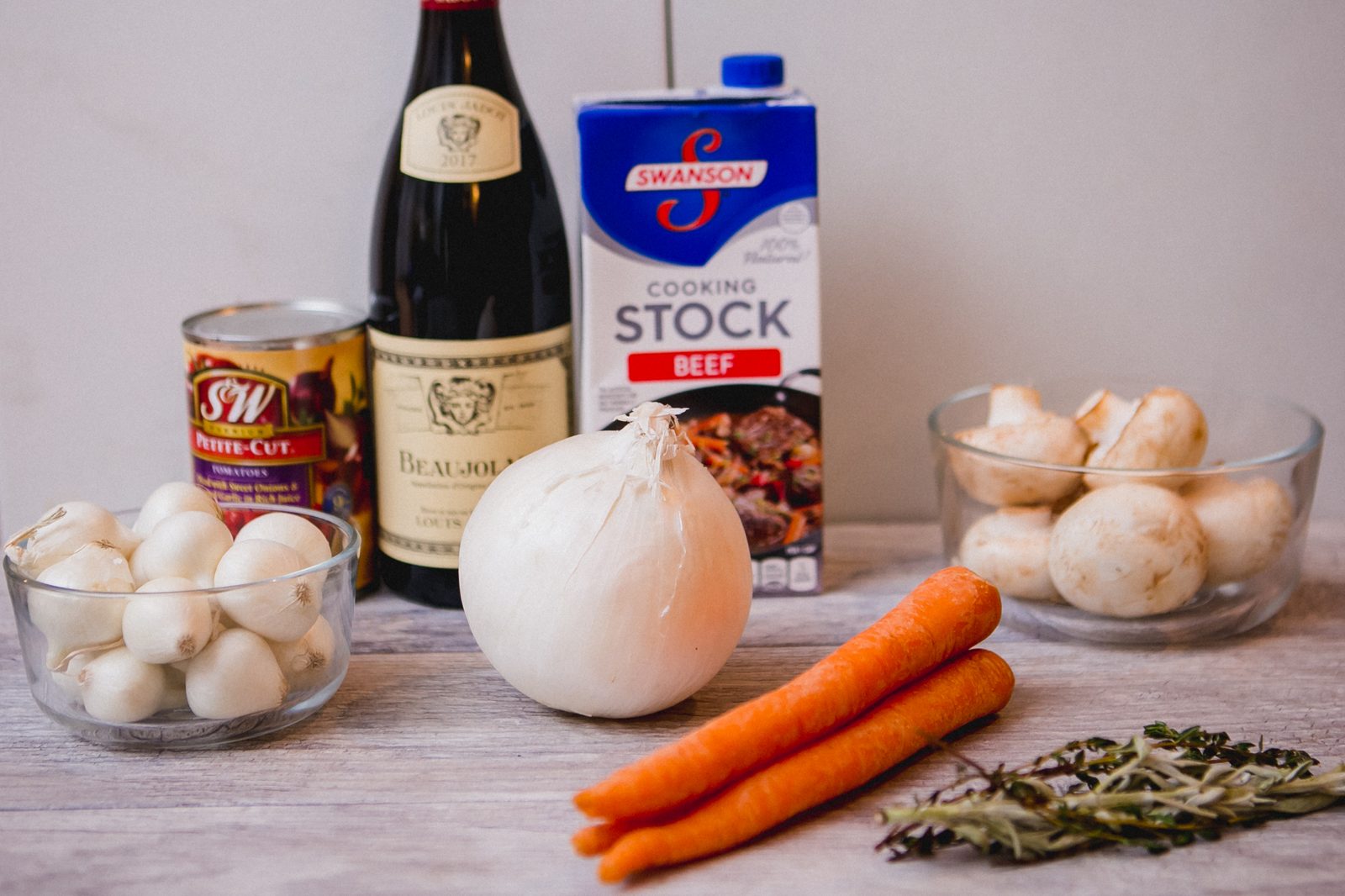
This recipe takes advantage of the Dutch oven because you want to make sure you get a really good sear on the beef. Any type of meat, you want to sear it first to lock in moisture, but with the Dutch oven in particular, once you sear it on the surface you can add some broth and the rest of your sauce, and that picks up all of that fond on the very bottom of the pan.
The entire recipe is really well suited to the Dutch oven because all of the flavors stay in that same pot. You start and end cooking in the exact same thing you can serve it in, right on the stovetop, so each time you add a new ingredient it increases the amount of flavor you have. Each time you brown the beef, that’s the first layer.
Once you cook your vegetables and reduce them down until they’re really soft, they pick up some of the flavor of the beef and add some of their own into the bottom of the pan. Then once you add your stock, it picks up those flavors, and so on and so forth until you have a delicious meal at the end.
3) Pot Roast
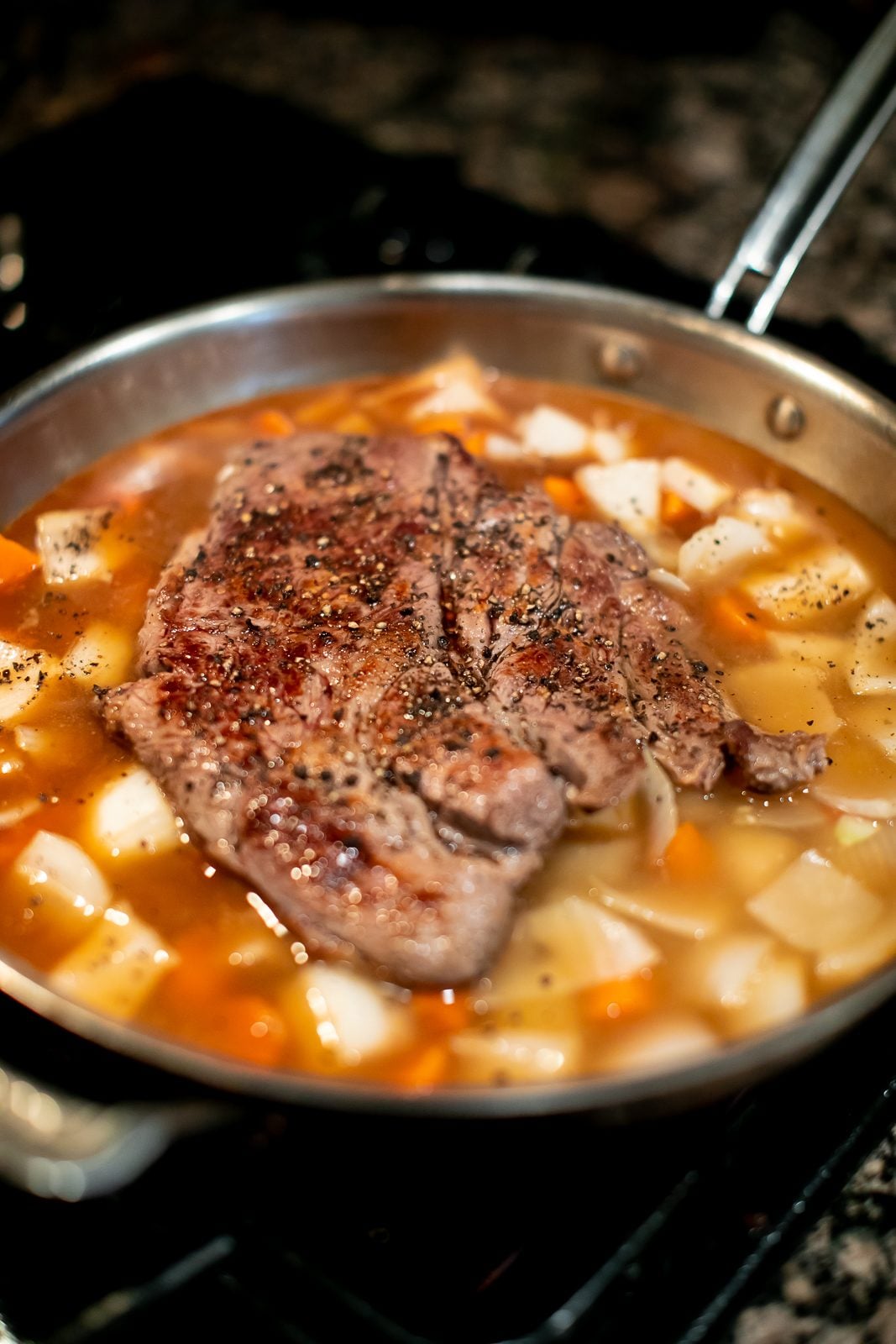
The Dutch oven does an excellent job with this recipe because for a pot roast you really want to go low and slow, and you want the heat to be very even to avoid the meat being really stringy and dry. Even though it’s inside broth, it can sometimes dry out if the heat is too high and it’s boiled, instead of a really, really slow braise.
So I would recommend putting it on the stovetop on just a really low heat and giving it a lot of time. The Dutch oven can handle that low heat and that extended period on the stovetop, so if you just have a little bit of patience and give it some time, the flavors of those vegetables mix in as the connective tissues and the meat break down. It really does need that low heat, and time is the key for this one to make sure you have a tender meal at the very end.
4) Coq au Vin
This is a really delicious dish to use chicken thighs for, because they have a higher fat content, and that plus the thick bottom of the Dutch oven means you get a really nice sear as soon as they hit the pan. You want to preheat the Dutch oven so it has a nice hot surface, then salt your chicken thighs, and that’s going to give you really good color. The rest of the dish just continues to layer on like that.
Once you have the chicken thighs browned, you can add the rest of your sauce along with the wine, which lets the alcohol burn off. Once you have the rest of your ingredients in there that have all been browned, add your stock, and then it all simmers on a nice low heat and comes together really evenly because of the thick bottom of the Dutch oven.
5) Bread and Tomato Soup
One of the most difficult things about this recipe is just waiting for the bread to finish rising, because once you start smelling those delicious flavors and you’ve put in the effort of mixing it together, it can be hard to be patient. It absolutely is worth the wait, though, because with the Dutch oven you’re able to get a really delicious bakery style crust. The thick walls and the shape of the pan help with holding on to steam and making sure the outside edge of that bread is really crackly and crusty.
One thing I like to do is put an ice cube in the very bottom of the pan as you first put it into the oven, because that slowly starts to release steam as it needs a little more time to melt down.
Once you make up your bread, let it cool on the stovetop, because you want to make sure you let it cool before you cut into it, otherwise it’s going to be really difficult to slice. While your bread is cooling, you can make your tomato soup in the same exact Dutch oven. Another thing I like to do for tomato soup is cook the tomatoes and the garlic in the oven first, then transfer it to the stovetop, use an immersion blender, and add some cream and fresh herbs.
It comes together really quickly and easily without a lot of dishes. I like to blend right there in the pot, it makes it so easy rather than trying to strain and go through all sorts of other things. It’s a really delicious tomato soup with crispy homemade bread.
6) Sausage and Peppers
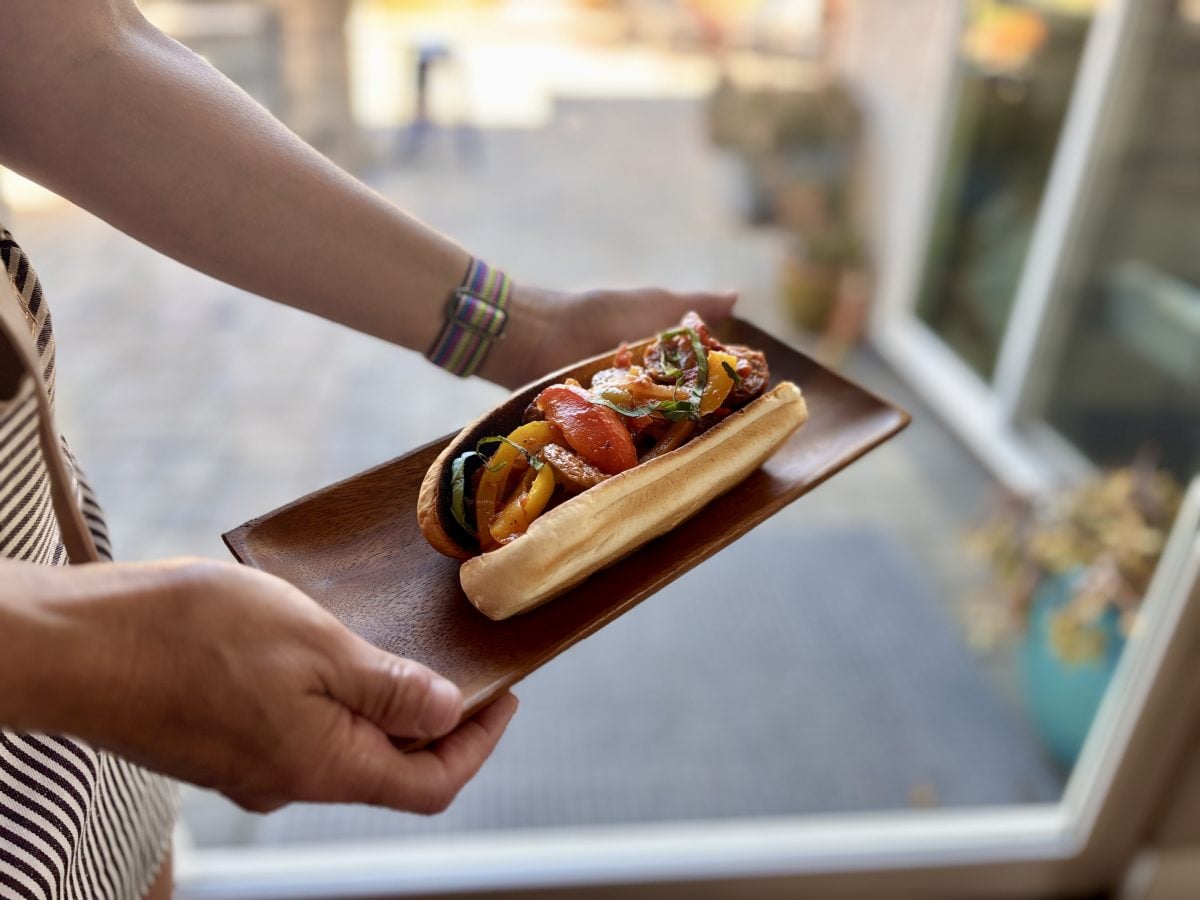
Brown some sausage really quick in the Dutch oven to get that nice fond on the bottom of the pan, and then the peppers and onions break down really evenly and nicely because of the thick, heavy bottom.
This is a really nice way to take advantage of the heavy grade of the Dutch oven, because bell peppers can sometimes be kind of difficult to soften down. You need a little bit of higher heat to really break them down, get some nice color on them, and change the texture. Add a little cheese on this and it’s a really similar flavor profile to a Philly cheesesteak.
One thing I like to do, before I’ve even started cooking the sausage and the peppers, is toast up my bread with a little bit of butter in the very bottom of the pan. It’s another way for me to know it’s preheated and ready to go. If it can crisp up those hoagie buns, then it’s ready for getting the onions and peppers all taken care of.
7) Red Beans and Rice
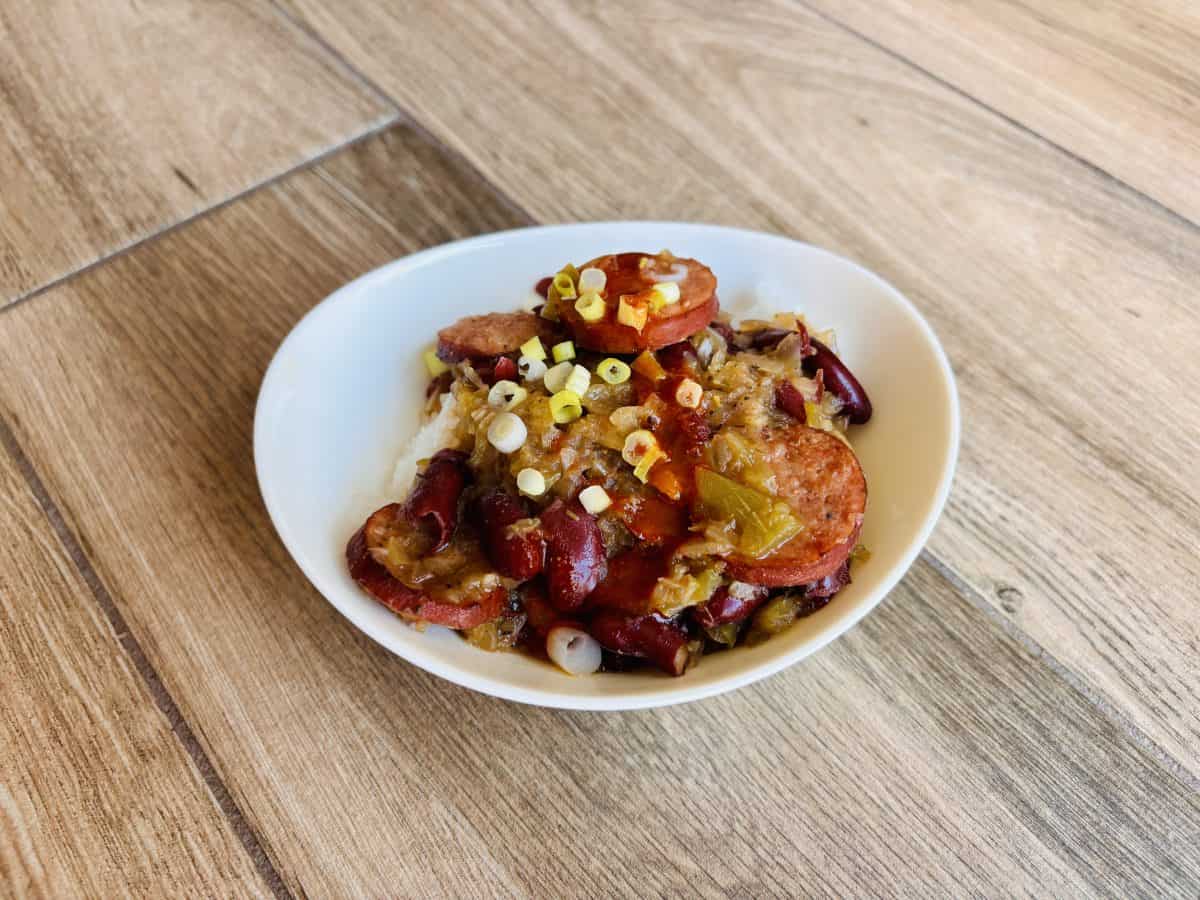
This recipe works really well for a Dutch oven because it does low and slow, even heat. Beans in particular need that slow, even heat, and the Dutch oven is sturdy enough to keep the temperature very consistent.
This isn’t going to be the case for a lot of thinner ceramic or stainless steel pans. The Dutch oven being much heavier is what really holds and traps heat and keeps it very even during the cooking time. That gives you nice, tender beans, and you don’t have to worry about pre-soaking them and taking extra time.
This really transforms a meal and gives you something really filling, with lots of protein and fiber, without a lot of extra effort chopping a ton of vegetables or doing really pricey protein options.
8) Dutch Oven Chili
Ground meat can be browned in the bottom of the pan, and then everything gets assembled in that same pan. From adjusting the temperature to serving, all of it goes from start to finish in the same exact pot, all the way to the table.
Once the meat has been browned, vegetables, beans, and tomatoes can all be added one at a time, and each one adds another layer to the flavors. Once you finish off with your broth, it can simmer on low, and you can adjust your spice and taste as it goes.
9) White Chicken Chili
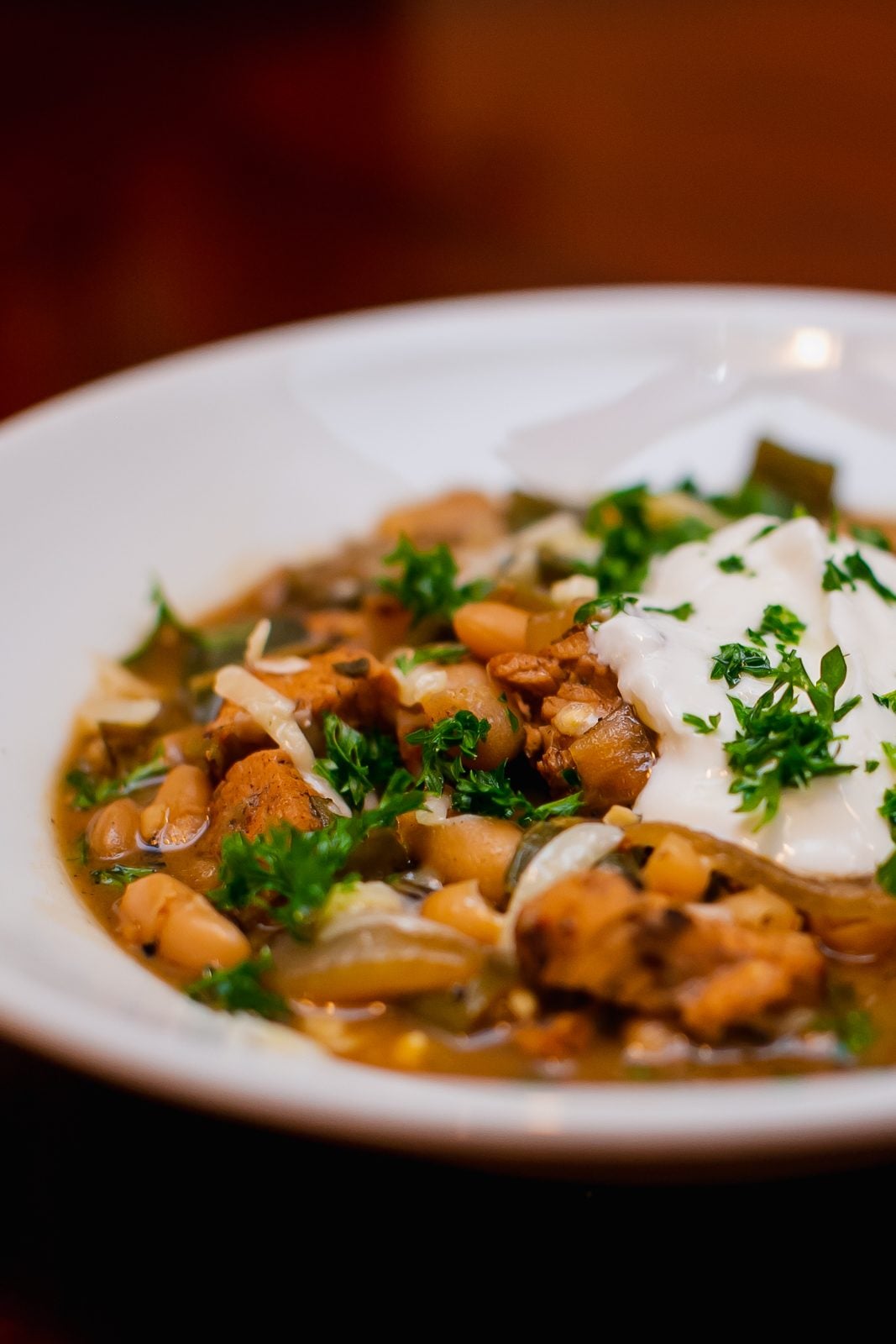
This is a lighter version of what shows up at most chili cookoffs. It’s chicken and beans and chilies all slow cooked together, and then normally you add a little bit of cream at the end to make it a creamy, light chicken chili. I like that it’s a little less heavy than a traditional chili, but it still has those delicious slow cooked beans and spices in it.
The Dutch oven does really well with something like this because it can go low and slow for a really long time without scorching anything to the bottom. Chili is cooked over many hours, and sometimes if you have heavier ingredients, they fall to the bottom of the pan and scorch. That’s not usually the case with the Dutch oven, because of the really even heat that distributes throughout all of the liquid, not just on the very bottom of the pan.
10) Bolognese Sauce
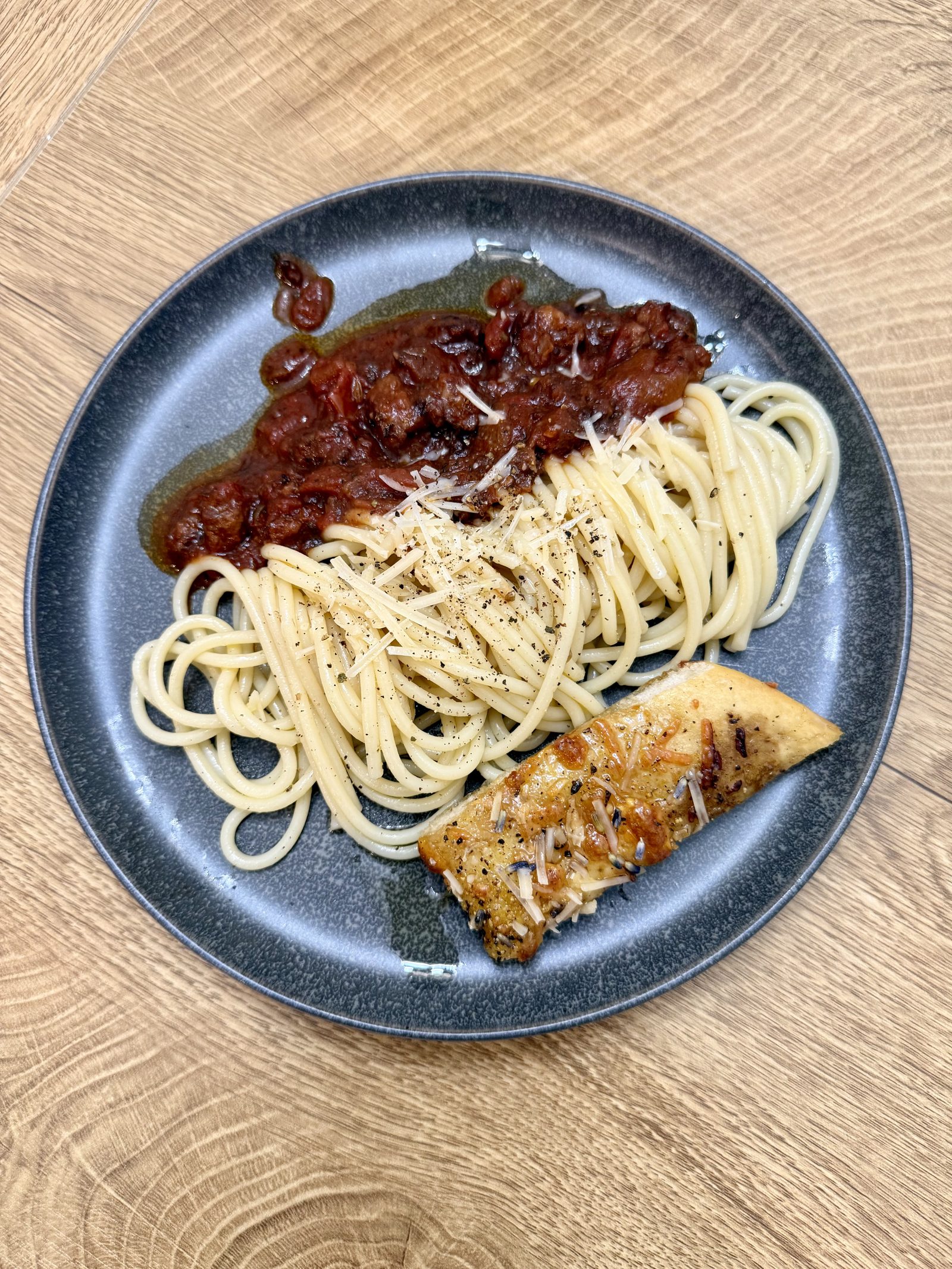
Meat and vegetables are both browned before the tomato sauce is added, then it’s slow cooked and simmered on the stove until it gets a really deep, rich flavor. The Dutch oven works great for this because it’s much wider than most pans, so you’re not going to overcrowd it and end up steaming your meat instead of browning it. You really want to make sure you get good color, because that’s where the nice flavor and texture come from in this sauce.
Being able to turn the heat down and cook for a longer time also gives the vegetables more time to release their flavor. A lot of them almost become sweet, and they have a really delicious, natural symphony of flavors that comes together as you cook low for a long time.
11) One-Pot Lasagna
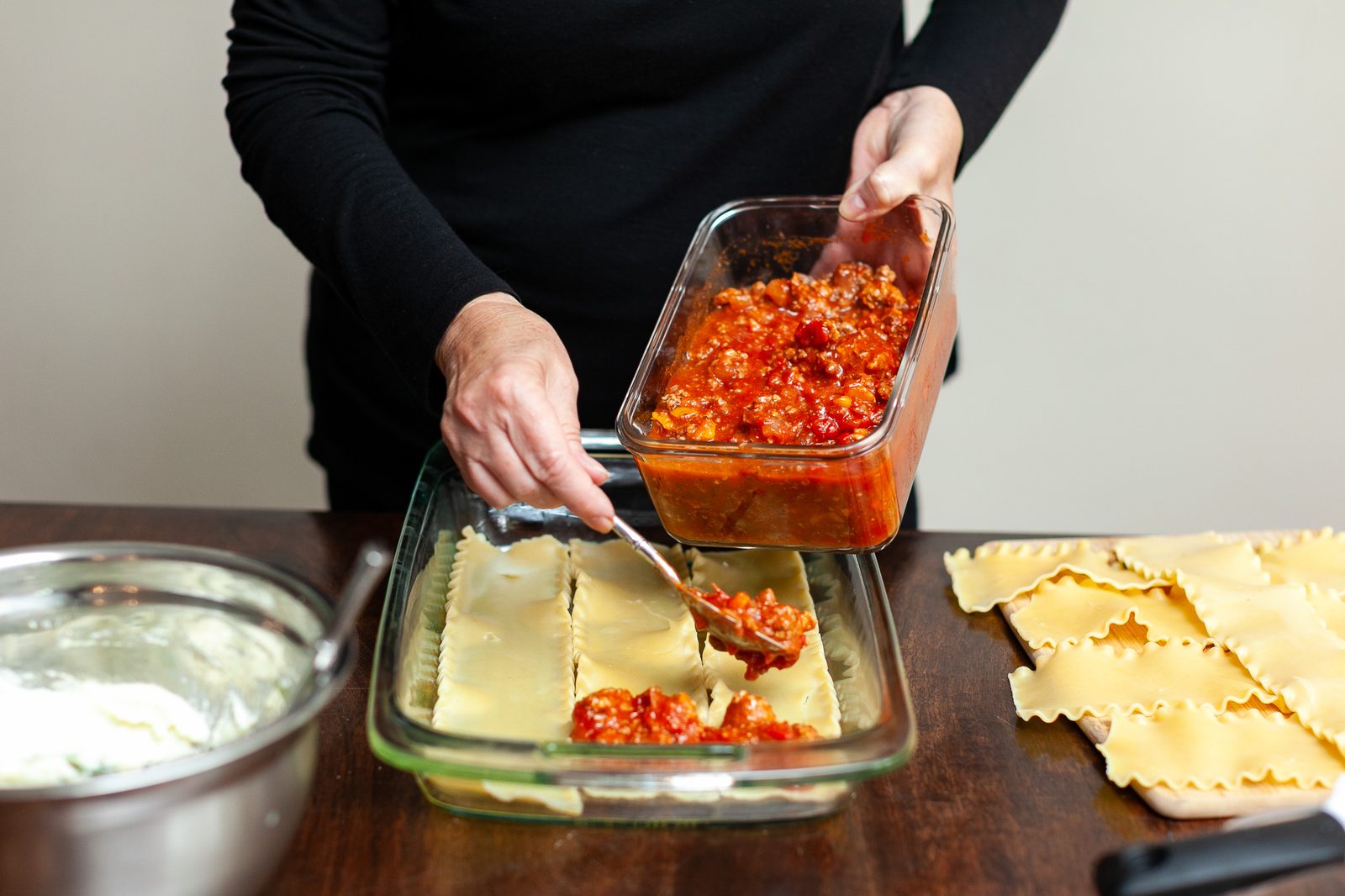
This is not a traditional layered lasagna, but it still has all of those delicious flavors mixed together. Lasagna noodles are broken up and cooked in the tomato sauce before the ricotta and mozzarella are added at the very end.
The base of this lasagna can all be prepared in the Dutch oven, starting with the meat, then the sauce, then the noodles are added until they’re cooked. Once you start adding the cheese on top, it can be transferred from the stovetop into the oven and broiled, so it still has that really delicious, crispy, cheesy lasagna topping, without all the stacking and layering and laying a bunch of things out on the counter to try to get a perfect slice each time.
With this one, you just scoop in and you have a delicious scoop full of lasagna. It saves you a lot of time and effort on cleanup because it’s all together in one place.
12) Mac and Cheese
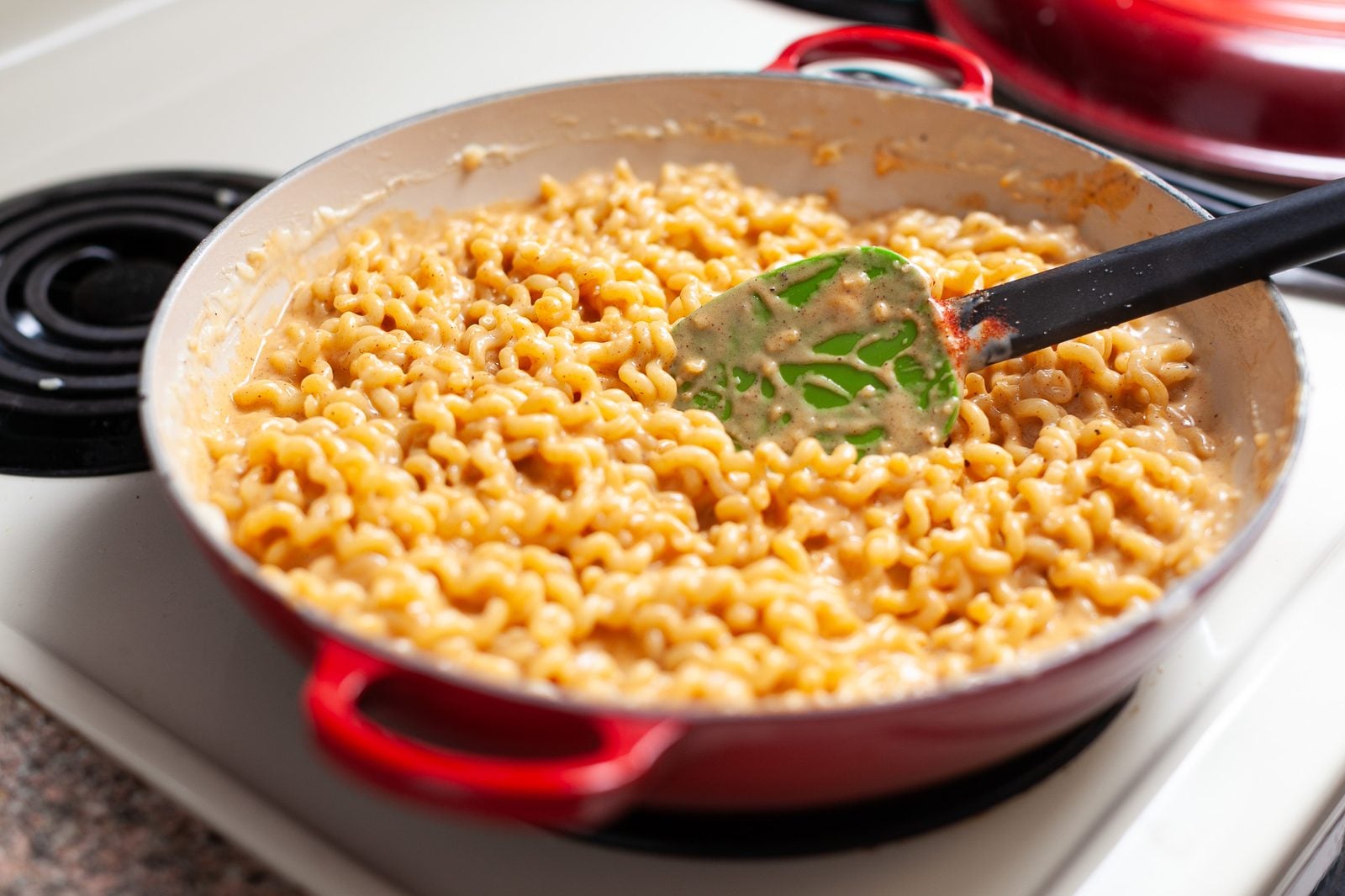
A really good tip for this one: because you’re going to go from the stovetop, where you cook the mac and cheese, into the oven to finish it off, it’s good to slightly undercook your pasta, since it’ll have more cooking time later. So cook your pasta first, and you can do that right in the Dutch oven too, no need for extra dishes.
Cook your pasta in the water, strain it out over the sink, and then your cheese sauce can be made in the bottom of the Dutch oven. You could do that by making a roux, turning that into a bechamel, and then a cheese sauce. Add your pasta back in, and the very final step is putting it underneath the broiler so it gets a nice crispy top, just like baked mac and cheese you’d get at a really good barbecue restaurant. You can make it really easily at home by using the Dutch oven to go right into that nice hot oven.
13) Short Ribs and Mashed Potatoes
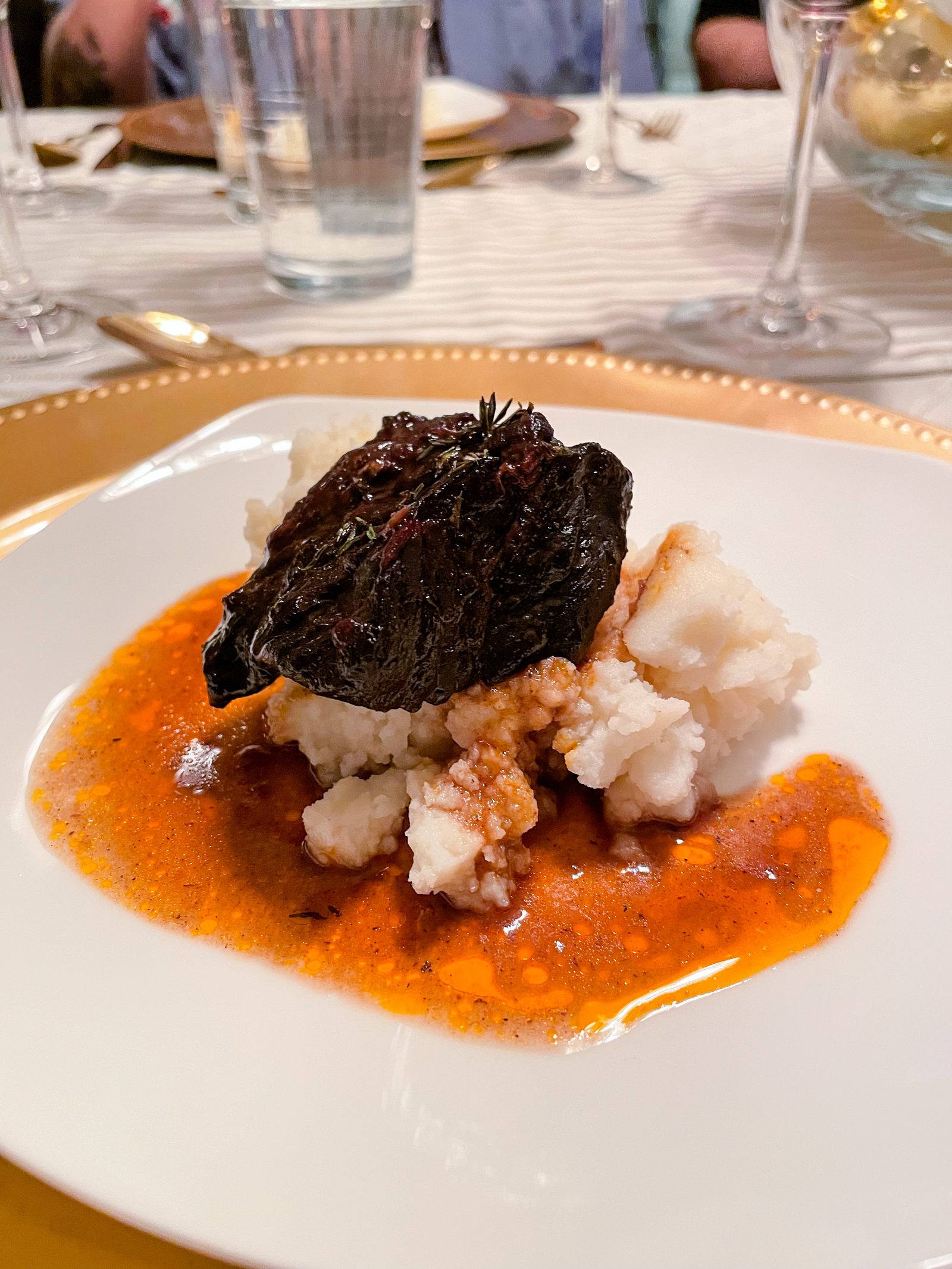
Short ribs are first browned on the bottom of the Dutch oven, which gives them a nice even coating and some good color. Then you’ll want to braise them with either some stock or some wine on really low and slow heat.
As you braise the short ribs, the fact that the lid of the Dutch oven is quite heavy means it traps steam, and that traps moisture and flavor. So once you open that Dutch oven up when you’re done cooking, you’re going to have a delicious aroma, and the meat won’t get stringy and tough because it retains that moisture as it cooks.
14) Pork Carnitas
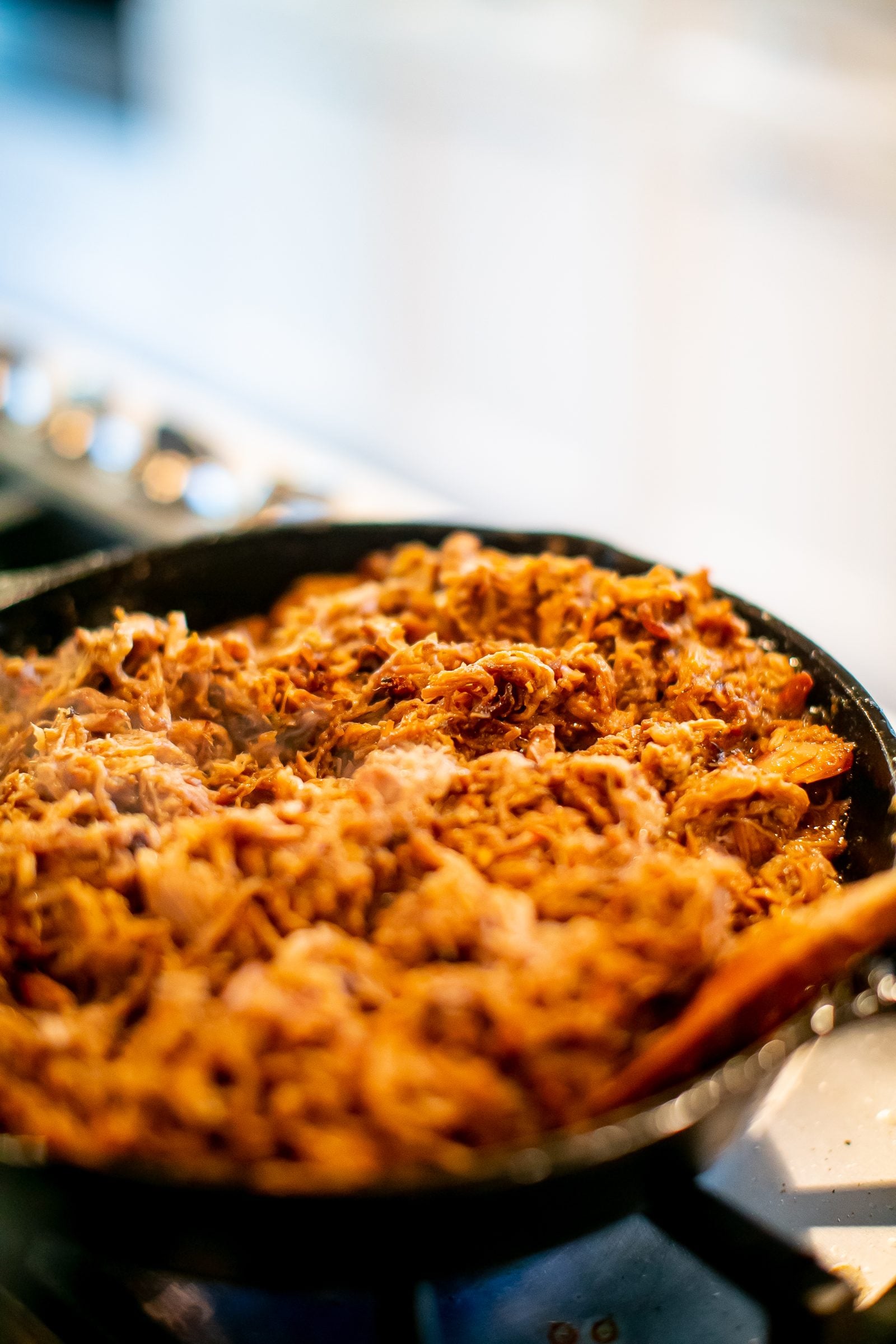
Pork is browned and braised with lots of citrus and spices until it’s tender enough to shred apart. Then it’s finished in the Dutch oven, where the really nice thick walls give some good texture and color to the edges of the meat. That’s what gives it a really delicious flavor that’s more unique than just plain shredded pork. It develops a really nice smoky flavor without having to have a whole smoking setup.

15) Chicken Tinga
The chicken simmers low and slow in a smoky tomato and onion sauce with chipotle peppers before it’s shredded. Then it can be added to tacos or served in rice bowls, any application you want. This is a really great, flavorful, tender base.
Because the meat is cooked in the sauce itself, the Dutch oven is really good for letting the sauce reduce and thicken, which changes the texture and flavor and lets it really imbue those flavors inside the meat. Normally you’d have to separate the sauce into another pan and have two different temperatures going, but the Dutch oven makes it really easy to maintain that nice even heat while you reduce down.
16) Chickpea Curry
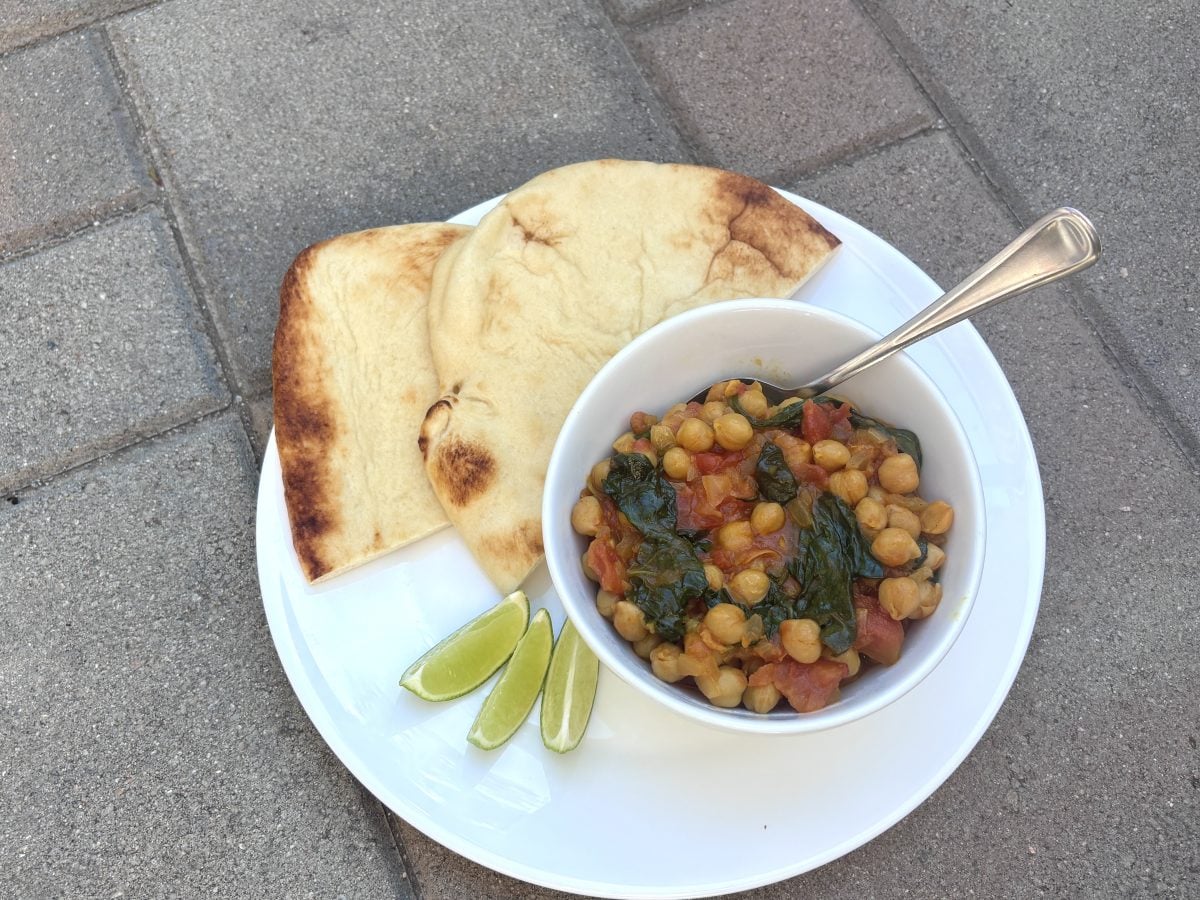
The wide bottom of the Dutch oven gives you lots of space to bloom your spices first in oil. You want a large surface area for this so they can really open up and those flavors imbue into the oil first. Then once you add the chickpeas and the coconut milk, the fats in the coconut milk take on all of those spices, and it reduces down into a delicious depth you really can’t get with a different cooking method.
At the very end, you add some spinach, and then you have such a flavorful, bright dish without a lot of extra effort or a lot of extra dishes in the kitchen. The even heat is also really good for cooking something like chickpeas, because if you don’t have some that are pre-soaked, you want to make sure they have enough time to take in all the flavor and the extra moisture from the rest of the ingredients.
17) Lentil Stew
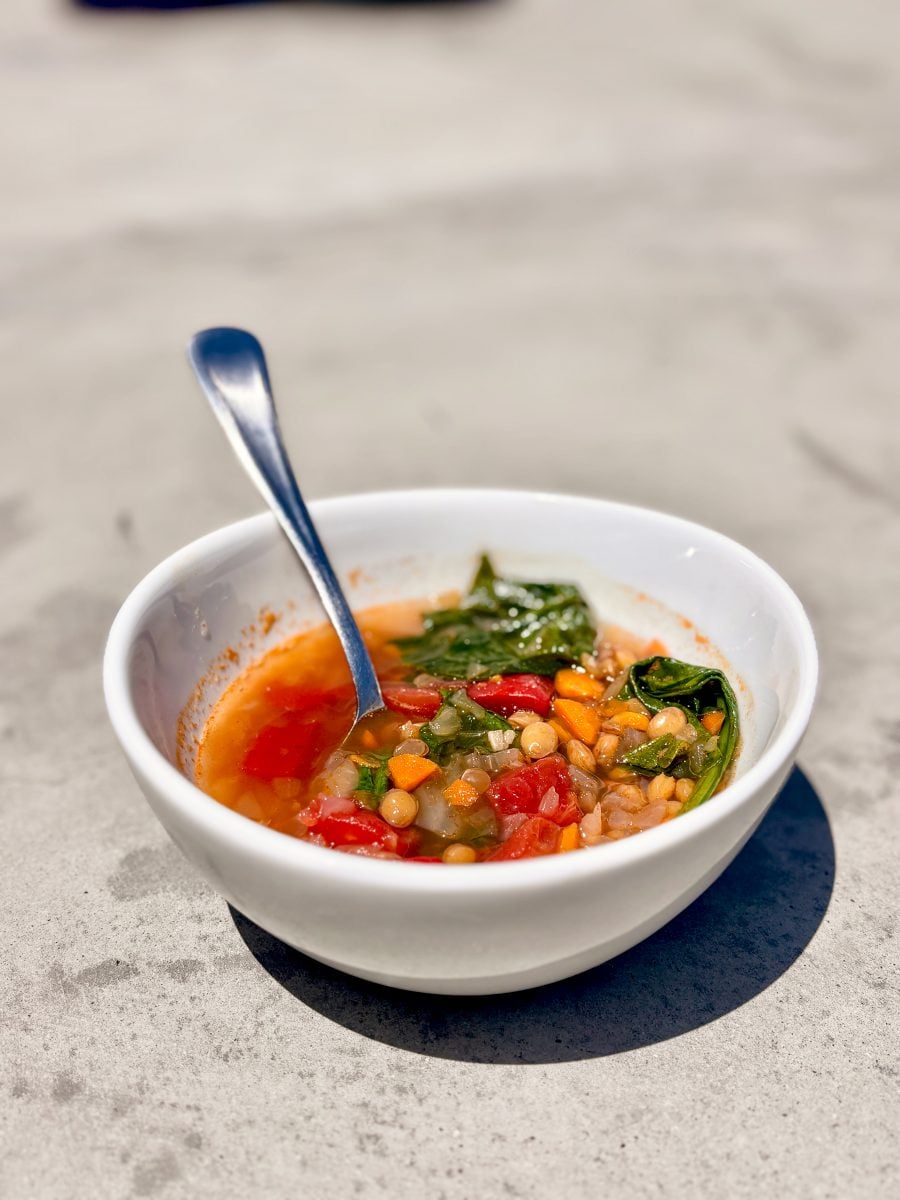
The Dutch oven works really well for this. Unlike a lot of other pans where the heat is concentrated at the bottom, which is really good for something like browning, the Dutch oven with its really thick walls and heavy lid gives a continuous, even heat.
For something like lentils, where the ones closest to the heat cook faster, this is really essential. Otherwise, if you stir it up and taste a bite, one bite might be fine and you think your lentils are done, but the next one might be undercooked. With the Dutch oven you don’t have to worry about this at all, because it has that nice even heat. This also helps your stew thicken up naturally as the lentils take in moisture, and makes you a really delicious, healthy, filling meal.
18) Moroccan Chicken
Pieces of chicken rubbed with spices are first browned a little bit in the bottom of the pan to let those flavors come out. Then the rest of the ingredients are added, like olives and lemons, so they can continue to cook with the chicken and really take on those flavors. Traditionally this would be cooked in a tagine, which is a clay pot with a cone-shaped lid that allows moisture and steam to circulate back down into the dish, for a really slow cooked, tender effect on the chicken.
We can get the same effect with the Dutch oven, because the heavy lid also allows that steam to return to the pan. A delicious Moroccan tagine is normally served with khobz, which is Moroccan bread. It’s so good for scooping up that sauce, which thickens down with that slow, even heat.
This is really delicious for the Dutch oven. I’ve even made this recipe in a cast iron pan with a lid when we’ve gone out camping. All you need is a little bit of patience, and it’s a delicious, tender, flavorful meal.
19) Ratatouille
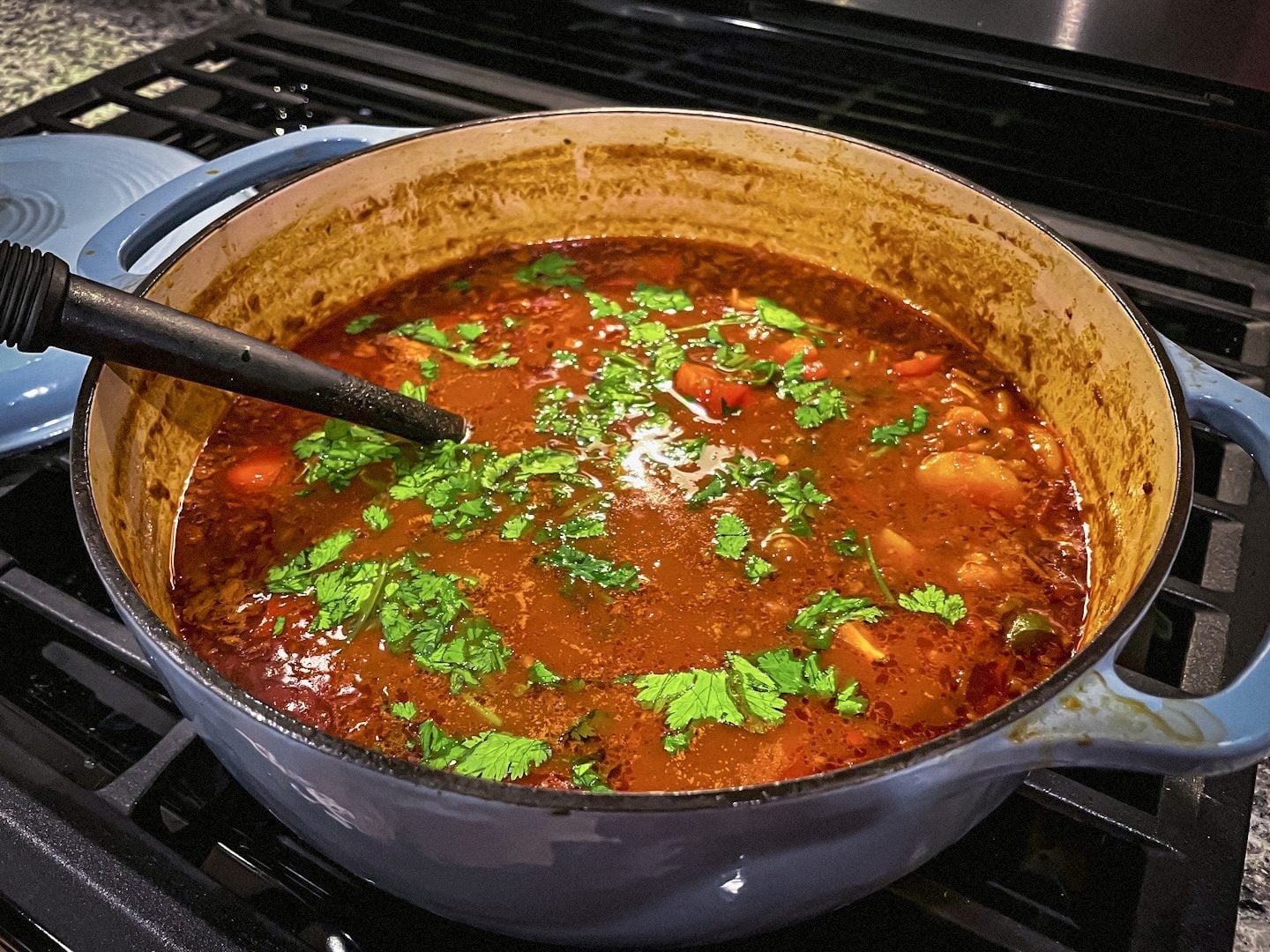
Summer vegetables are cut into even sizes and then cooked down until they basically make their own sauce from the moisture in each of the vegetables. The larger surface area of a Dutch oven is really important here, because you want to make sure each vegetable has its own space directly on the heat to get some color and flavor. That’s what lets the moisture release from each vegetable and gives you a nice depth of flavor.
I don’t know if you’ve ever tried to cook zucchini and ended up with steamed zucchini instead of nice brown, crispy pieces, but browned is what you want from the Dutch oven here. Each piece needs a little bit of space so the steam can release, and that’s what makes that delicious sauce. Once you put the lid on and let it cook in its own sauce, that’s what gives you the flavors. Once you add your salt and seasoning to the vegetables, it reduces down and becomes a delicious stew.
20) Minestrone Soup
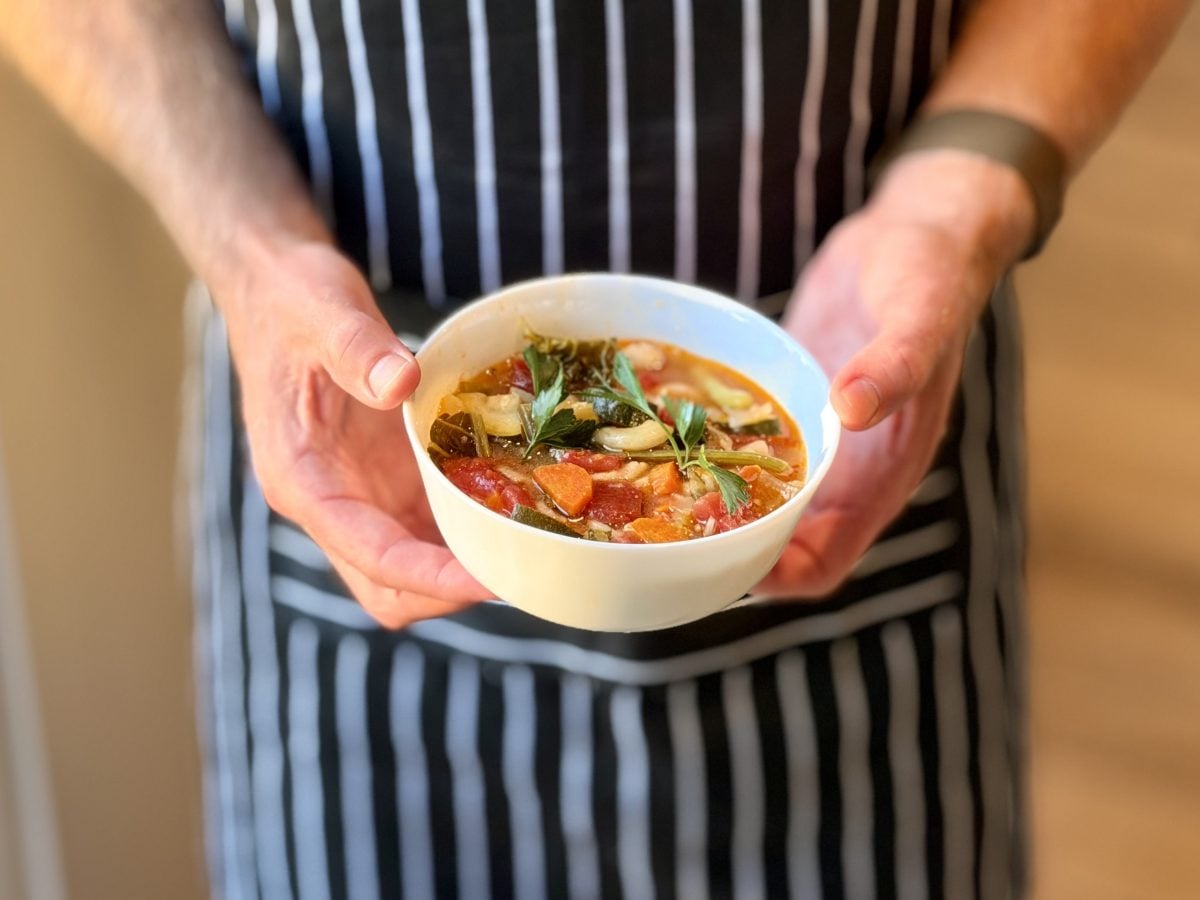
The Dutch oven does an excellent job of making this a one pot meal, because you can really reduce down and caramelize your onions or heartier vegetables first, before adding the rest of the ingredients to the same pot.
It adds another depth of flavor and really deepens what you get from each of the vegetables by letting them have a little extra heat at the beginning, and then you add the rest of your broth to make a nice depth for the soup. If you’re adding something like beans, the even heat is also really essential for making sure they cook evenly and you don’t have some chalky, undercooked parts at the end.
21) Chicken and Rice
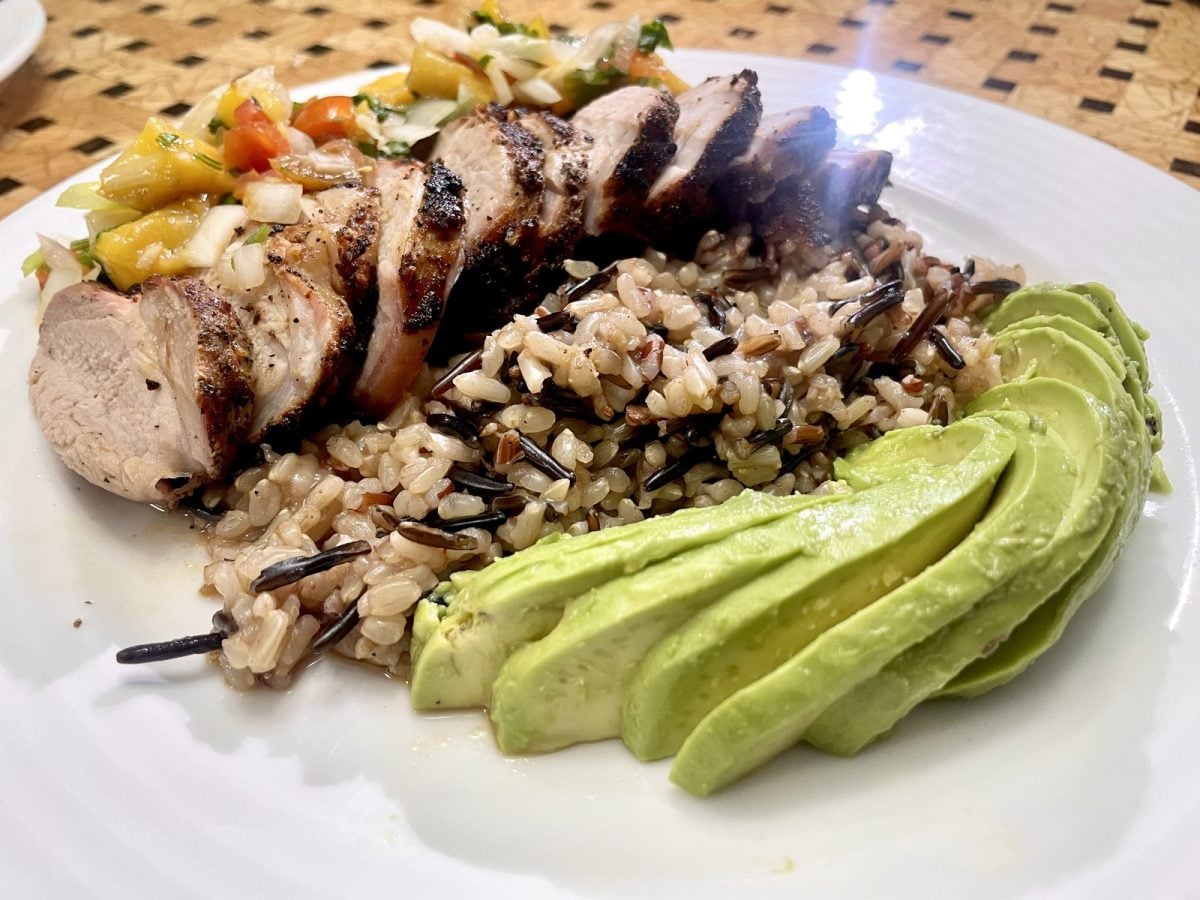
I love to use chicken thighs in a recipe like this, because the extra fat helps them get a nice caramelization and browning on the surface. Once I cook them down in the pan and they mix with the rice, it makes an absolutely delicious flavor once you’ve added everything together and mixed it with the spices.
A recipe like this is really appealing because everything cooks in the same pan, but sometimes it can be really difficult to get rice to cook evenly without it overflowing with liquid. The Dutch oven is really good here because that nice heavy lid holds the steam inside and makes sure your rice is fully cooked. It’s able to take in all the broth and the oils from the chicken and distribute it really evenly.
This is a great one I like to do on weeknights, because everything cooks together in the same pan, and it usually means I have leftovers, so you can get a few more meals out of it.
22) Jambalaya
Chicken and sausage are both browned first, then vegetables are sauteed in the same exact pan, and then rice is added along with a tomato broth before it all cooks down together.
Jambalaya is a dish where all of the ingredients really have their moment to shine, especially when you use a Dutch oven, because nothing is lost as you cook. Everything is in the same pot, so that nice brown fond you get from the meat, as well as any browned parts of the vegetables on the bottom of the pan, gets lifted up when the tomato broth is added, and it’s really absorbed by the rice. This makes a beautiful, complex dish with everything together, without a lot of extra dishes.
23) Split Pea Soup
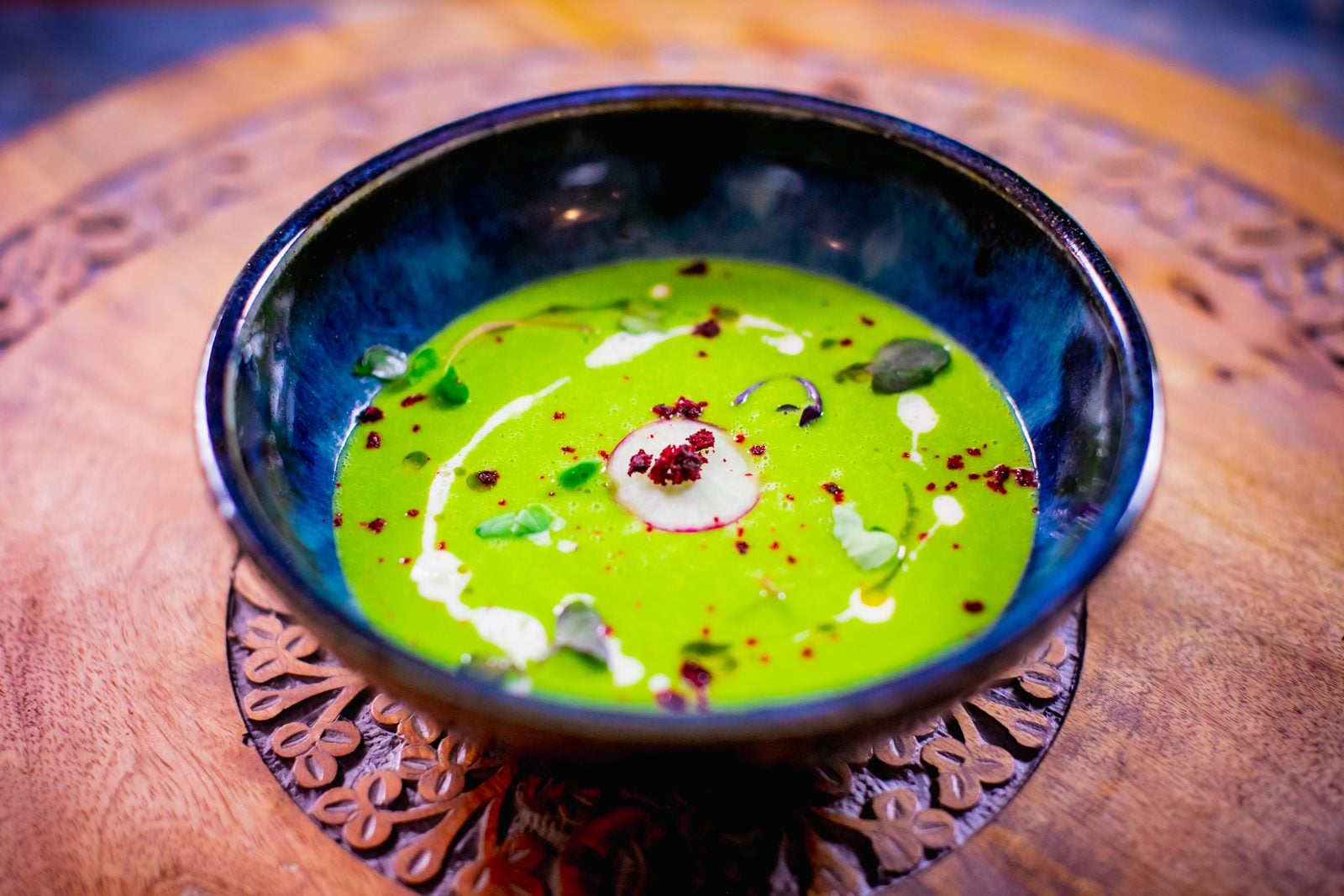
Split peas are simmered with vegetables until they break down into a really thick, creamy soup.
Thick soups do really well in the Dutch oven. Unlike traditional pans that are much thinner, it gives a really even heat as it cooks, so you don’t have those really big, spattering bubbles, or the bottom being overcooked while the top is still cold and needs much longer, where you have to stand next to the stove stirring and stirring and stirring. The Dutch oven with a heavy lid traps steam and holds that even heat the entire time while the soup reduces down and thickens up.
24) French Onion Soup
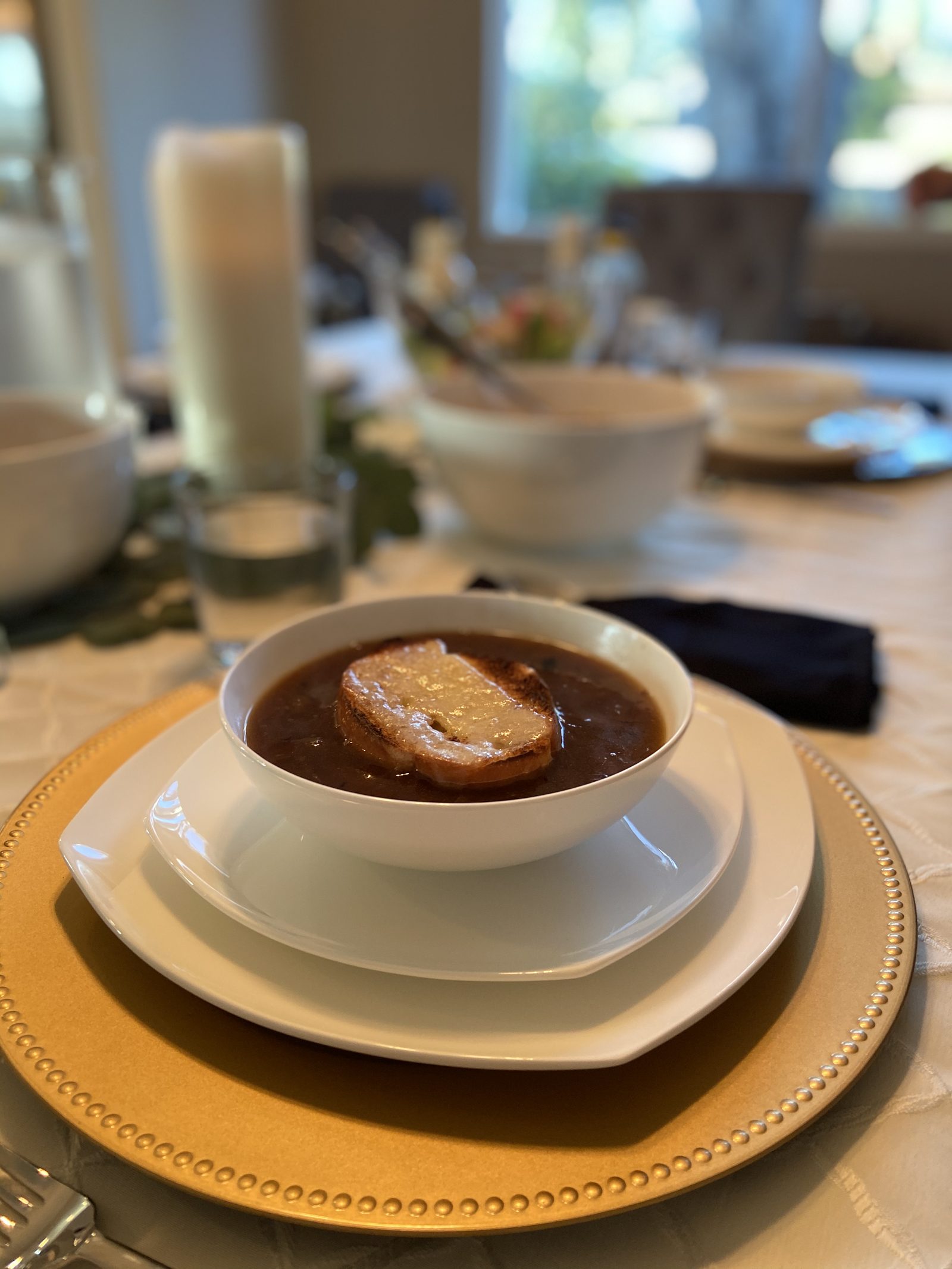
Onions are the star of the show here, and caramelizing them is the very first step for making the soup. You want to give yourself a lot of space for caramelizing the onions, as well as a lot of time.
The Dutch oven works really well for this because of the even heat and the wider base, so each of the onions gets its chance to be heated and reduced down. Each of them cooks and gets a little bit of browning on the bottom of the pan. Deglaze a few different times as they slowly start to turn brown. Giving it a little extra time gives you that much more flavor once you start to add the broth.
A lot of people get frustrated because they want to add a lot of onions and have them all caramelize down, but you might need to do smaller batches if you’re making a huge pot of French onion soup.
Even though the Dutch oven itself can go into the oven, that would not be the best way to serve this soup, so make sure you have some individual oven safe bowls for this recipe. Portion your soup up, then add your bread or breadcrumbs with cheese on top. Pop it underneath the broiler, and it gets a wonderful caramelization and a crispy topping on each individual bowl.
25) Shepherd’s Pie
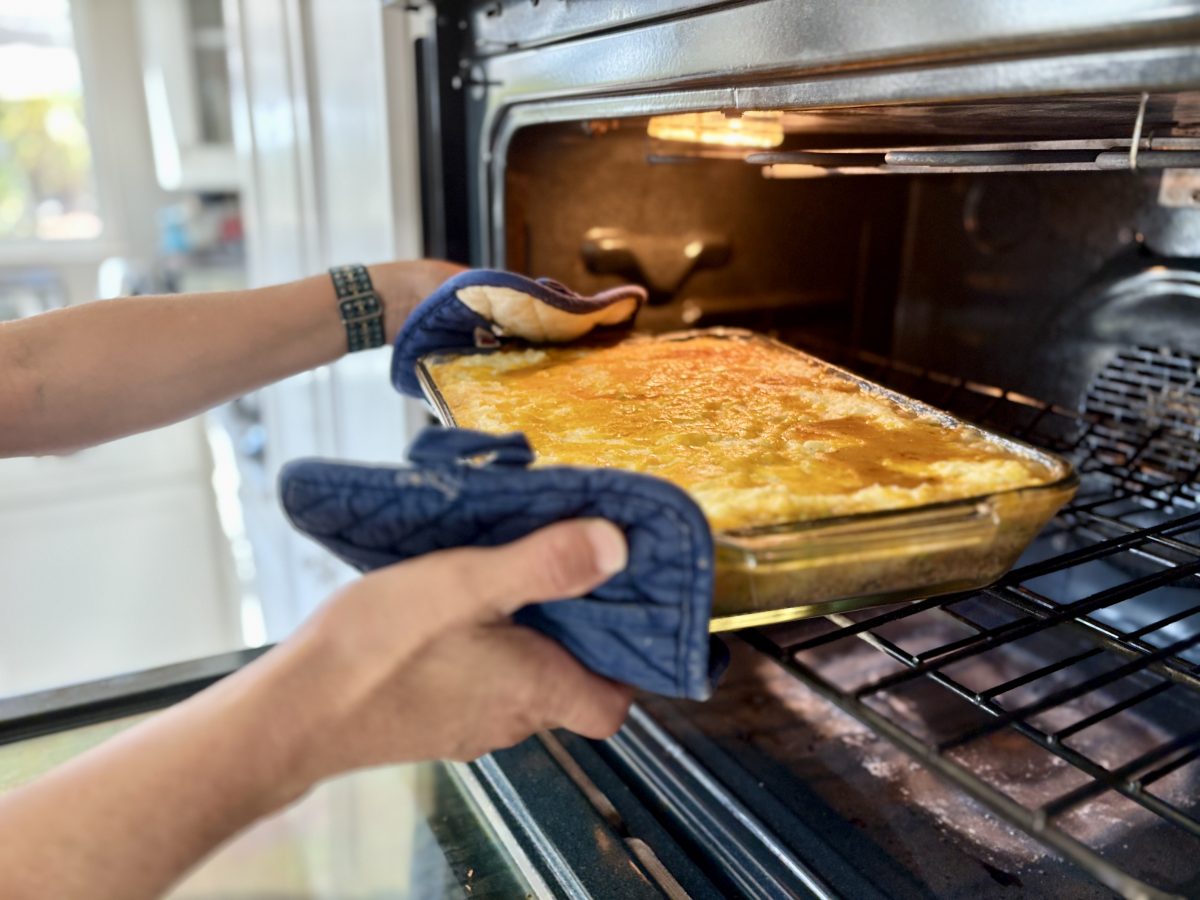
Meat and veggies are first browned on the bottom of the Dutch oven on the stovetop, and then the rest of the sauce for the filling is added.
I always hate taking the time to make the layers super even when I’m putting it in a casserole dish, so doing this in the Dutch oven means the filling can reduce down right there, and when I add the mashed potato mixture on top, the whole thing can just be transferred into the oven to get those nice crispy little ridges on top of the mashed potatoes.
26) Baked Ziti
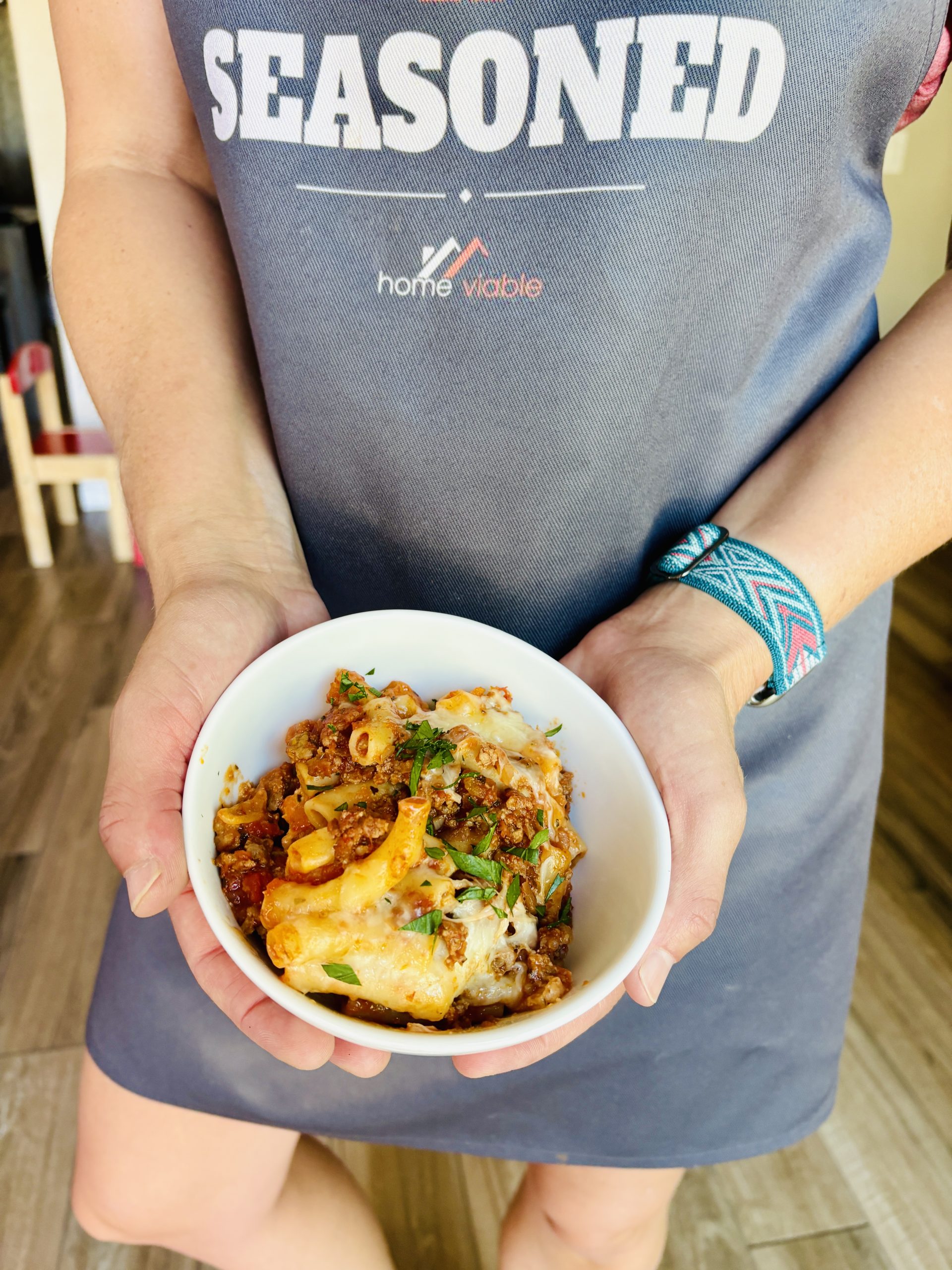
Pasta, tomato sauce, and cheese are all cooked in the Dutch oven until you have nice bubbly, brown edges. Undercooking the pasta is really important because the Dutch oven is so efficient at holding heat. Without this step, there’s a bit of a risk of your pasta becoming mushy by the time you add your sauce and cheese on top, so taking an extra second to do this means less work later on.
The pasta can be cooked and set aside. I’d recommend rinsing it with some cool water to stop it from overcooking, then you can create your sauce in the bottom of the Dutch oven, add the pasta back in, cheese on top, and put it underneath the broiler to get a baked crust.
27) Creamy Tuscan Chicken
Chicken is cooked and then coated in a creamy garlic sauce with spinach and other savory herbs. By cooking the chicken in the same pan the sauce is made in, all of the delicious flavor from the fond and from searing the outside of the chicken stays in that cream sauce, rather than being lost in another pan. That means less cleaning and more flavor. The oils take in all of that flavor and give you a much more cohesive final result for your cream sauce.
28) Stuffed Peppers
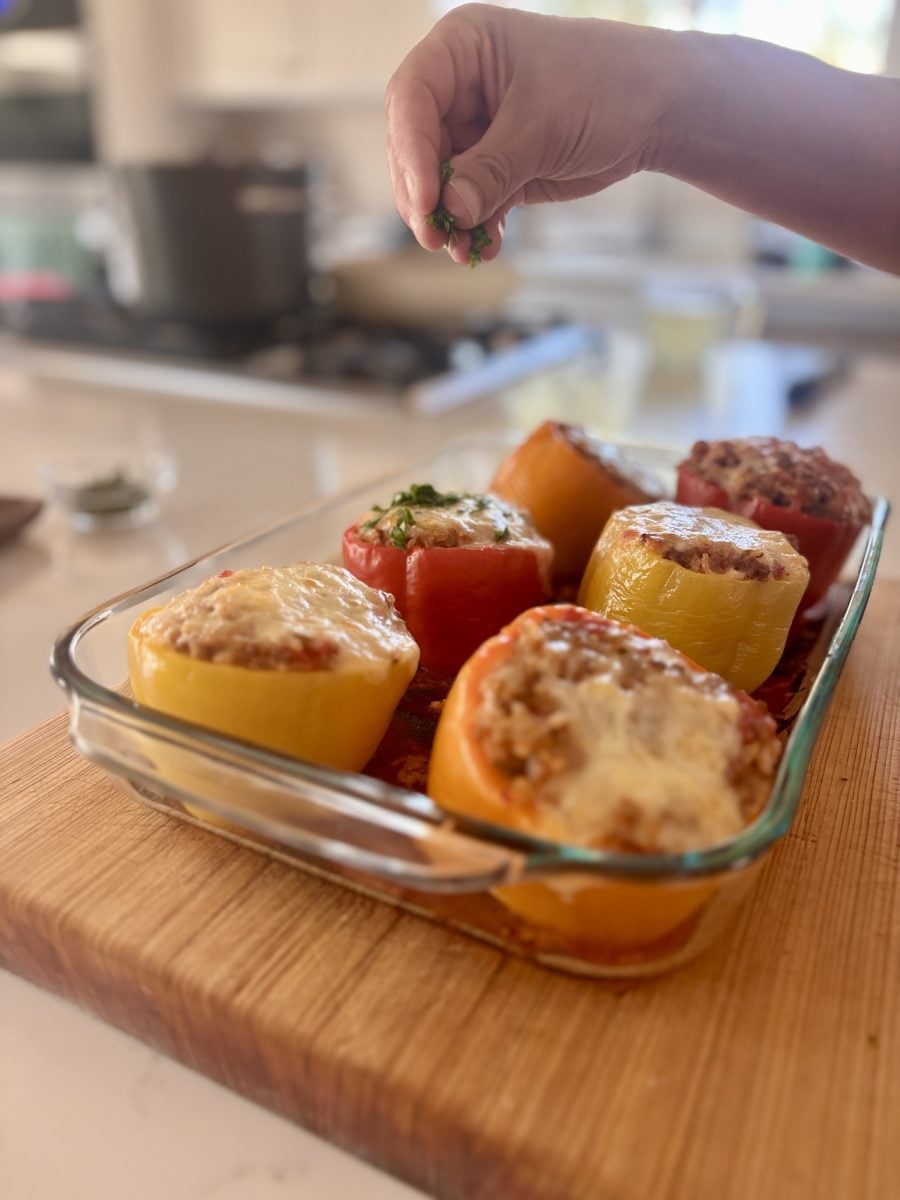
Whole bell peppers are stuffed with meat and any other filling ingredients, like breadcrumbs or rice, and then cooked until they have a delicious outside crust and a cheesy top.
The depth of the walls of the Dutch oven is much better than a casserole dish for a dish like this, because bell peppers can sometimes struggle a little to soften and get some color. When you have that really even heat from the Dutch oven, it gives you caramelization and tenderness instead of leaving them stiff.
You also want to make sure your filling is cooked all the way through, so this is another place where that even heat is really important, because when you’re working with something like ground meat, you want to make sure it’s reaching the correct temperature.
29) Seafood Stew
White fish and shrimp are added with garlic, tomatoes, and a simple broth for an absolutely delicious seafood stew that’s very tender and flavorful.
Seafood has a very short cooking time, so it’s really wonderful to have the Dutch oven to create the base and the broth for the rest of the ingredients. You know you’re going to have really even heat and even cooking, which matters because you have to be really precise about the timing for those seafood ingredients.
Shrimp in particular can become very tough and rubbery if it’s overcooked, so knowing exactly how long and exactly what temperature your soup is at really helps. This would be really delicious with some toasted bread or on top of a bed of noodles.